Real estate can feel overwhelming. You might wonder how to make sense of it all.
I get it. With urban real estate trends shifting so rapidly, keeping up can be a full-time job. Prices fluctuate, neighborhoods evolve, and what worked last year might not work this year.
How do you stay ahead?
In this article, I’ll break down what’s happening in the market right now. You’ll get a clear look at the latest trends and what they mean for buyers and investors.
I’ve spent years analyzing the ups and downs of real estate, and I’ll share takeaways that can help you make informed decisions.
You’ll find practical tips and strategies tailored for today’s market.
Whether you’re looking to buy your first home or invest in properties, this guide will equip you with the knowledge you need.
Let’s dive in and explore the trends shaping urban real estate today.
City Property Markets: What’s Really Driving Them?
Ever wonder why some cities seem to explode with new developments while others stagnate? It’s all about the economic factors. Job growth is a huge driver.
But that’s not all. Demographic shifts play a role too. More people moving to a city means more demand for housing.
When people have money, they spend it. It’s a simple equation.
And let’s not forget migration patterns. When folks move out, property values can tank.
Infrastructure projects are another biggie. New transit lines and roads? These can boost property values overnight.
I’ve seen it myself in cities where new public facilities popped up and transformed entire neighborhoods practically overnight.
Then there are government policies. Zoning changes, housing incentives, rent control. These can either help or hinder urban real estate trends.
It’s all about finding that sweet spot.
And technology? Well, it’s changing everything. Remote work has altered housing preferences.
Some people now prefer quieter, less dense areas.
In the end, understanding these factors isn’t just about knowing the market. It’s about seeing where things are headed. Are we moving toward smarter cities or sprawling suburbs?
That’s what I’m keeping an eye on. What’s your take?
Urban Real Estate: Trends You Can’t Ignore
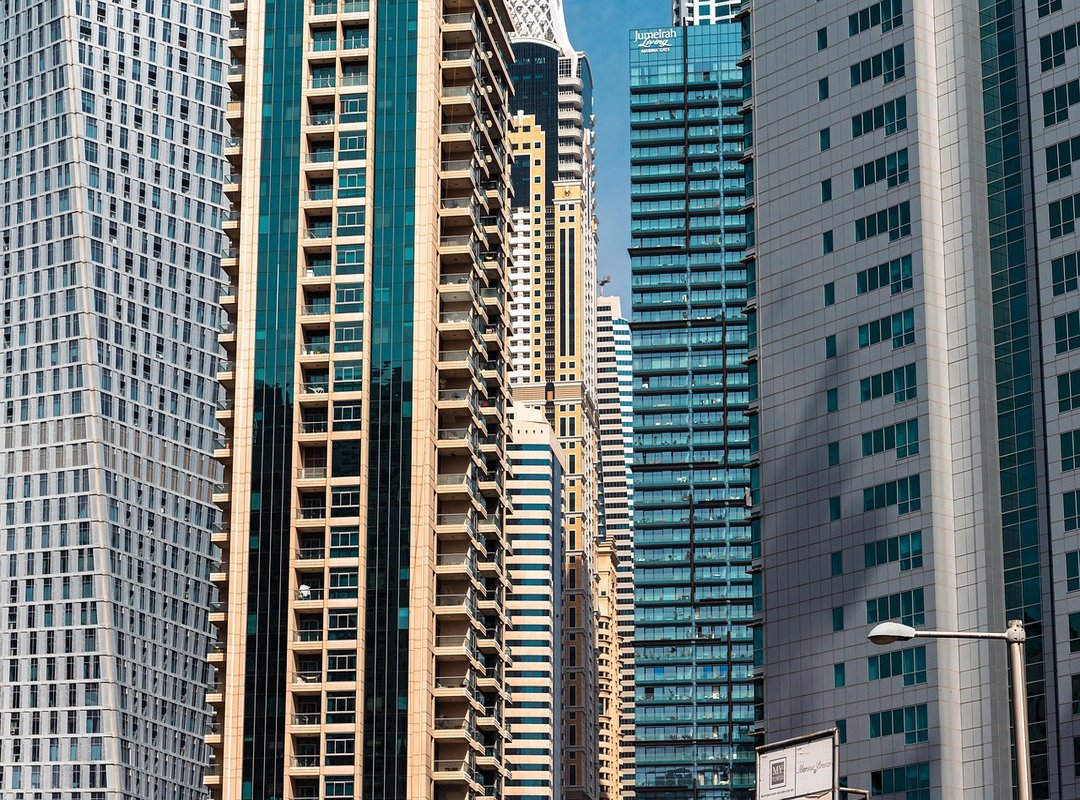
Urban real estate trends are all over the place right now. Cities, despite the remote work hype, remain central hubs. People flock back to them for opportunities, and that’s driving demand like you wouldn’t believe.
But let’s talk about remote work real estate models, which have changed the game. Larger homes and suburban escapes are in, but cities aren’t out. They’re just evolving.
Check out Remote Work Real Estate to see how this shift is affecting urban life.
Now, mixed-use developments are getting their moment. Blending residential, commercial, and retail spaces, they create lively urban centers that feel alive. It’s not just about where you sleep or shop anymore, but the whole experience of a place.
Sustainability is key. Energy-fast homes and eco-friendly buildings aren’t just trendy. Buyers want them.
Green practices in urban development are rising, and everyone’s nodding along. But there’s another elephant in the room: affordability. Property prices and rents are skyrocketing in major cities.
It’s a tough nut to crack, but the market’s reacting. Will there be a reset or a new kind of housing revolution? Only time will tell.
Urban Real Estate Trends: Stakeholder Impact
When it comes to homeowners and potential buyers, market developments are like a rollercoaster for property values and interest rates. You know what I mean (the) kind of ride that leaves your purchasing power dizzy. It’s fascinating how urban real estate trends can shift the entire space of buying a home.
Sellers, let’s face it, market conditions are your best friend or your worst enemy. They dictate listing prices and how long your property sits before someone bites. Negotiation use?
That’s another beast entirely. You need to stay sharp.
Real estate investors, you’re always hunting for the next big thing. Rental yields and cap rates are your bread and butter. But spotting emerging hotspots requires a crystal ball (or at least a good sense of timing).
Renters, you’re at the mercy of supply and demand. New developments can either mean more choice or a hike in prices that’s tough to swallow. But don’t despair; there’s always a way to get through this chaos.
Pro tip: Stay informed and adaptable. It’s your best defense against these market swings. Keep your ear to the ground and your eyes peeled for opportunities.
Decode the Local Market: Your Guide to Real Estate Signals
Tracking urban real estate trends is like trying to catch a moving train. You need reliable data, and lots of it. I start with local real estate boards (honestly,) they’re a goldmine.

Government housing reports also help (they’re surprisingly detailed). But don’t ignore reputable platforms; they can reveal patterns your gut might miss.
Now, let’s talk numbers. Median home prices, days on market, inventory levels, and sales volume are your bread and butter. They’re the baseline.
If these fluctuate wildly, it’s like a red flag. Early warning signs, like shifts in interest rates or big economic forecasts, can’t be brushed aside either. Did someone say significant local development?
That’s a game-changer.
Neighborhood trends matter (more) than you’d think. City-wide data might suggest one thing while your street tells another story. Speaking of surprises, have you heard about Suburban Growth Shift?
It’s a twist worth watching.
When evaluating a specific property, ask questions. Is the area growing? Are prices stable? (It’s not rocket science, but close.) Is there potential for return?
Pro tip: Location is everything if you’re serious about investing. Keep these in mind, and you’ll better get through this chaotic market.
Urban Real Estate Trends: What’s Next?
The future of city property markets is a wild ride. With urbanization continuing to surge, cities are changing faster than we can blink. We’re seeing new workspace concepts come to life, and technology is playing a huge role.
Think AI in property management and smart home integration. It’s not just a trend; it’s the future.
But climate change is the elephant in the room. Cities are scrambling to adapt, especially those on coastlines or prone to natural disasters. It’s a game-changer for real estate values and how we think about urban planning.
Policy is another big player. Government initiatives for affordable housing and urban renewal projects are shaping the market. Infrastructure spending can make or break a neighborhood’s appeal.
It’s all about where the money’s going.
For investors, there’s a treasure trove of opportunities. Niche markets, revitalized districts, properties tailored to specific demographics (it’s) all there for the taking if you know where to look.
The key? Adaptability and continuous learning. The market’s always shifting, and you need to keep up to stay ahead.
Urban real estate trends aren’t static, and neither should you be. Ready for what’s next?
Get through City Markets with Confidence
You now understand the forces shaping city property market developments. The complexity and rapid changes in urban real estate can feel overwhelming. But by grasping the drivers, trends, and impacts, you can make confident decisions.
Don’t let uncertainty hold you back. Apply these takeaways today. Stay informed with ongoing analysis.
Reach out for personalized advice tailored to your real estate journey. It’s time to tackle these urban real estate trends head-on.
Contact us to discuss your needs and take the next step. Your informed decisions start now. Don’t wait.
Let’s get moving.
 Auritha Wolfquill