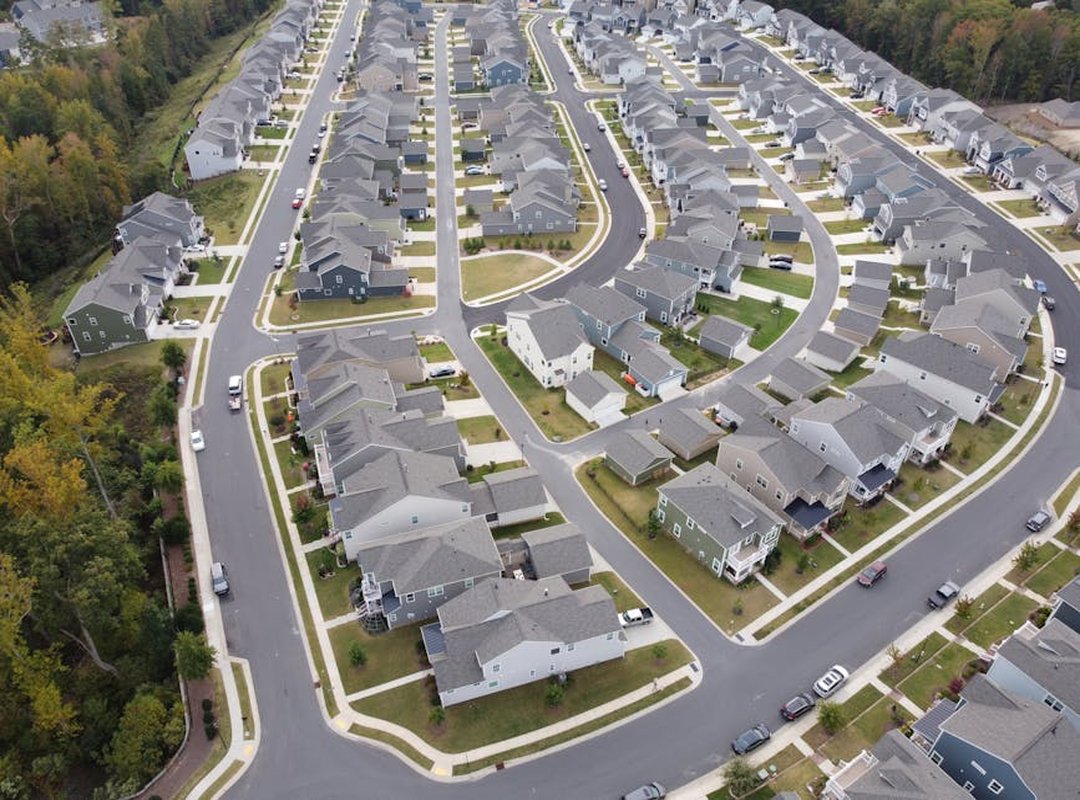
Suburbs aren’t just quiet bedroom communities anymore. They’re evolving into changing hubs of activity, and that change impacts real estate decisions.
You might be wondering how these rapid transformations affect your investments or future living situations.
With so much happening, it’s natural to feel uncertain. But I come in.
I’ve been analyzing market dynamics and tracking real estate shifts for some time now. My takeaways come from ongoing research into property management practices and current trends.
In this article, I’ll break down the key trends shaping suburban real estate growth today. I’ll offer clarity on how these developments influence the market and provide actionable understanding for your real estate decisions.
By the end, you’ll have a clearer picture of what’s really happening in the suburbs and how to get through this changing space.
Let’s dive in and explore what this means for you.
The Suburban Shake-Up: Mixed-Use Magic
Mixed-use developments are shaking up the suburbs (finally). What does that mean? It’s where residential, retail, office, and green spaces coexist in one project.
You get a whole community under one roof. Gone are the days when suburbs were just sprawling houses and strip malls. Now, people want walkability, convenience, and fewer trips stuck in traffic.
Look at how these developments create lively town centers and lifestyle hubs. They build a sense of place where you can grab a coffee, hit the gym, and pick up groceries without hopping in a car. Who wouldn’t want that?
For developers, mixed-use means diversified income streams and higher density. It’s smart business. But for residents, the appeal is even bigger: access to amenities and a real community feel.
Suburban real estate growth is tapping into this trend, transforming cookie-cutter neighborhoods into changing, integrated spaces.
It’s a win-win. Developers get more bang for their buck, and residents get everything they need right at home. Sounds like the future to me.
Pro tip: keep an eye on these developments (they’re) redefining how we live on the outskirts. And who knows, maybe you’ll find your next home there.
Eco-Conscious & Connected: The Push for Sustainable and Smart
Have you noticed how suburban areas are catching up with the times? It’s about time, if you ask me. The rise of green buildings isn’t just a trend (it’s) a necessity.
Everyone’s talking about energy efficiency and reducing that pesky environmental footprint. Solar panels and green building materials are making waves. Homeowners are tired of high utility bills and want something better.
Who wouldn’t want to save a few bucks each month?
Now, let’s talk about smart homes. Automation isn’t just for tech geeks anymore. Smart thermostats and lighting systems are practically must-haves.
Security systems that you can check from your phone? Sign me up. It’s not just about convenience.
It’s about feeling safe and savvy in your own space.
Developers are jumping on board, integrating features like rainwater harvesting and solar panels into new builds. But is it enough for suburban real estate growth? Buyers want homes that are both sustainable and tech-friendly.
It’s a double whammy that’s hard to resist. And really, why should they resist? It’s the future knocking on suburban doors.
Curious to learn more? Check out this rise of green buildings for a deeper dive.
Beyond the Commute: Remote Work’s Suburban Shake-Up
Remote work is flipping the script on suburban real estate growth. Honestly, I never thought I’d see the day when commutes were optional. But here we are.
Remote and hybrid models are changing everything, making long commutes seem like a relic from a bygone era.
Now, developers are reimagining our suburbs. Smaller, localized office spaces and co-working hubs are popping up. These aren’t just trends; they’re reshaping entire communities.
Why stick to a single downtown business district when you can have multiple lively centers? That’s the new question.
The shift to flexible workspaces in suburban areas isn’t just about convenience. It’s creating new local economic centers. Imagine converting that underused strip mall into a buzzing co-working hub.
It’s a game changer for developers. There’s a real opportunity here to transform tired retail spaces into modern, amenity-rich environments.
And the benefits? They’re huge. Reduced traffic, boosted local economies, and more time for people to actually enjoy their lives (crazy, right?).
It’s a fresh start for suburbs, and if you’re curious about how these changes stack up against urban trends, check out this overview. It’s a whole new world out there, and it’s happening now.
More Than Single-Family: New Suburban Housing
The suburbs aren’t just about single-family homes anymore. There’s a shift happening. You might have noticed it.
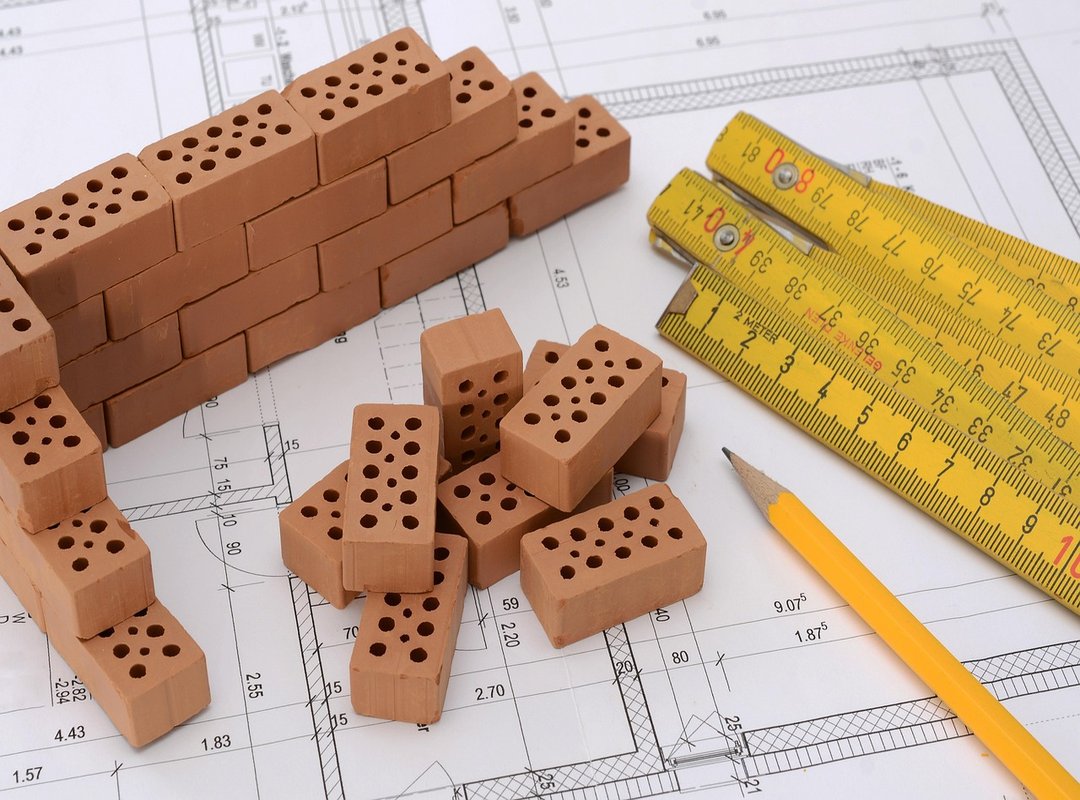
More people are exploring different living arrangements, and for good reason.
Take Accessory Dwelling Units (ADUs), for example. They’re popping up everywhere. These small, secondary homes on a single lot offer flexible living arrangements.
Perfect for multi-generational families or even generating rental income. It’s a smart move for those looking to maximize their property.
Then there’s the rise of build-to-rent communities. These aren’t your typical rentals. They’re purpose-built for those who want suburban life without the mortgage.
Often single-family detached or townhomes, they’re attracting folks who crave space but dodge ownership. The suburban real estate growth here is undeniable.
Townhomes and compact housing options are also on the rise. Why? They’re more affordable and cater to diverse lifestyle needs.
Not everyone wants a sprawling house with a big yard. Some prefer the simplicity (and lower cost) of a smaller, well-designed space.
So, what’s driving these changes? People want choices. They want flexibility, affordability, and a lifestyle that fits them.
The suburbs are evolving. And frankly, it’s about time.
Infrastructure: The Backbone of Suburban Growth
Ever notice how some suburban areas just feel right? I’m talking about places with upgraded roads and expanded public transport that actually make life easier. Throw in high-speed internet and you’ve got the modern essentials.
These aren’t just luxuries. They’re the backbone of attracting new residents and businesses. Why live in a place where you can’t even stream a movie without buffering?
But infrastructure isn’t the whole story. Community amenities like parks, green spaces, and recreational facilities are key. They’re not just for aesthetics or fun weekends; they truly raise the quality of life.
Good luck finding a thriving community without them. It’s no surprise that developers are weaving these into master plans.
And let’s not forget: these investments don’t just draw people in. They keep them there. People want to belong to a place that feels alive and connected.
They’re betting big on community centers and local entertainment venues. Who can blame them? It’s a smart move for suburban real estate growth.
That’s what makes suburbs irresistible.
Speaking of connections, the rise of Remote Work Real Estate is playing a part too. More people working from home means more demand for livable, lively environments. So, are developers keeping up?
I say they have no choice.
Navigating the Suburban Space
I’ve laid out a clear look at the most impactful trends in suburban real estate growth. The challenge lies in adapting to these rapid changes in real estate. By understanding these trends, you can make smarter decisions, whether you’re investing, buying, or just keeping an eye on the market.
Don’t sit back and wait. Stay informed and proactive. Dive deeper into real estate takeaways and use reliable resources for your property journey.
The space is always shifting. Equip yourself with knowledge and take charge of your real estate decisions. Now is the time to act.
 Auritha Wolfquill