
I’ve seen too many people start building their dream home with excitement and end up drowning in decisions they weren’t ready to make.
You’re probably here because you know building a home is complicated but you’re not sure where to start. Or maybe you’ve already started and realized you’re in over your head.
Here’s the reality: custom home construction will test you. Budget overruns happen. Delays pile up. And most guides either oversimplify the process or make it sound more complicated than it needs to be.
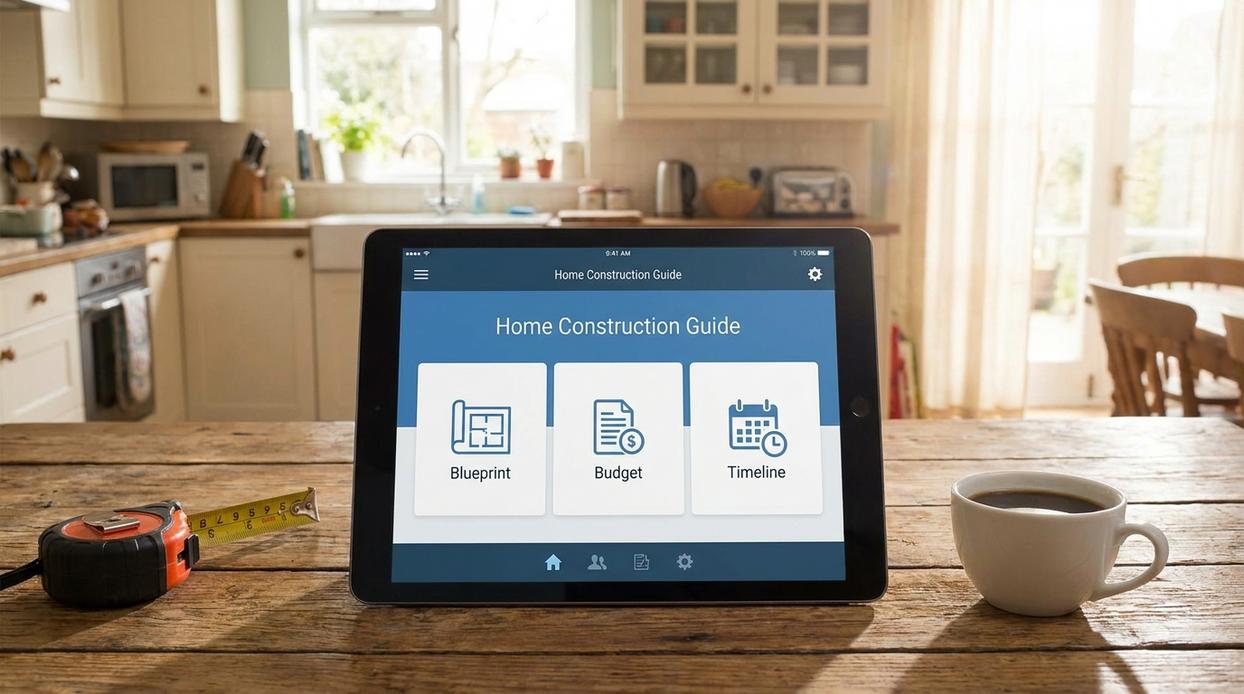
I built this home building guide appchousehold to give you a clear path through every phase. Not theory. Not fluff. Just the decisions you’ll actually face and how to handle them.
This guide walks you through the entire process from concept to move-in. I focus on the critical phases where most people stumble and the common pitfalls that drain budgets and cause delays.
You’ll learn what to prioritize, when to make key decisions, and how to keep your project on track.
No overwhelm. Just a manageable framework that turns your vision into reality.
Phase 1: The Foundation of Planning and Finance
Most people start building a house by looking at floor plans.
Big mistake.
You need to get your finances straight first. I’ve seen too many projects stall halfway because someone didn’t plan for the real costs (and trust me, there are always costs you didn’t expect).
Let me walk you through what actually matters in this phase.
Defining Your Budget
Your budget isn’t just what the builder quotes you.
That’s where most people get burned. They see a $300,000 estimate and think that’s the number. Then reality hits.
You need to account for land acquisition. Permits that vary wildly depending on your county. Utility connections that can run $15,000 or more if you’re not already hooked up. Landscaping because nobody wants to live in a mud pit.
And here’s the part nobody wants to hear. Add a 15-20% contingency fund on top of everything.
Some builders will tell you 10% is enough. They’re wrong. Soil conditions change. Material prices jump. Inspectors find issues. That extra cushion keeps your project moving when problems pop up.
Securing Financing
Construction loans work differently than regular mortgages.
With a traditional mortgage, you get one lump sum at closing. A construction loan releases money in stages as work gets completed. The lender sends an inspector to verify progress before cutting each check.
Here’s what lenders actually care about. Your credit score needs to be solid, usually 680 or higher. They want to see 20-25% down. And they’ll scrutinize your debt-to-income ratio harder than they would for a standard home purchase.
Start gathering your financial documents now. Tax returns from the last two years. Bank statements. Proof of income. The home building guide appchousehold process moves faster when you’re prepared.
I think we’ll see construction loan rates stabilize over the next 12 months. Maybe even drop slightly if inflation keeps cooling. But that’s speculation on my part, so don’t bet your timeline on it.
Finding and Evaluating Land
You found the perfect lot. Great views. Good price.
But did you check the zoning laws?
Before you buy any plot, you need to verify what you can actually build there. Some areas restrict house size. Others have setback requirements that eat up your usable space. And don’t even get me started on HOA restrictions in some developments.
Get a soil test done. Period.
Clay soil? You’re looking at expensive foundation work. High water table? Your basement plans just got complicated. Rocky terrain? Excavation costs go up fast.
Then there’s utilities. If water and sewer lines run past the property, connection is usually straightforward. If you need a well and septic system, add $20,000 to $40,000 to your budget.
Creating Your Vision
This is where you separate needs from wants.
Sit down and make two lists. What you absolutely must have in this house. And what would be nice but isn’t a dealbreaker.
Four bedrooms because you have three kids? That’s a need. A dedicated home theater? Probably a want (even if it feels like a need right now).
This list becomes your north star when working with your architect. It stops scope creep before it starts. Because once construction begins, every change costs money and time.
Walk through your current home and note what frustrates you. Not enough storage? Write it down. Kitchen too small for your family? Add it to the list. These real-world observations matter more than Pinterest boards.
Get specific too. Don’t just say “big kitchen.” Define what big means to you. Island seating for four? Double ovens? A walk-in pantry?
The more detailed you are now, the fewer surprises you’ll face later.
Phase 2: Assembling Your Professional Team and Finalizing Designs
You’ve got your land and your budget locked down.
Now comes the part where most people start second-guessing themselves. Who do you actually hire? And how do you know if they’re any good?
I’m going to walk you through exactly who you need on your team and why each person matters. Because here’s what happens when you get this right: you avoid costly mistakes, your project stays on schedule, and you end up with a home that actually matches what you envisioned.
Your Core Team
You need three key players.
An architect translates your ideas into something buildable. They handle the creative vision while making sure everything is structurally sound. When you interview architects, ask to see completed projects similar to yours. Find out how they handle revisions (because you will have revisions).
A general contractor manages the actual construction. They coordinate subcontractors, order materials, and keep the project moving. Ask them about their payment schedule and how they handle delays. You want someone who’s upfront about problems, not someone who hides issues until they become disasters.
An interior designer focuses on the finishes and functionality inside your home. They save you from making expensive mistakes with layouts and material choices. Ask how they work with your budget and if they can source materials at trade prices.
The Blueprint Process
This is where your home building guide appchousehold really takes shape.
Your architect starts with sketches. You review them, make changes, and review again. Once you’re happy, they create detailed blueprints that include every measurement, material specification, and structural detail.
A structural engineer reviews these plans to confirm everything will actually stand up. They calculate load requirements and specify the right materials for your soil conditions and climate.
The benefit here? You catch problems on paper, not during construction when fixing them costs ten times more.
Reviewing and Signing Contracts
Your contract with the general contractor protects you.
Make sure it includes:
• A detailed payment schedule tied to completed milestones
• A realistic timeline with penalties for delays
• A clear change order process with pricing
I always tell people to read the change order section twice. This is where costs can spiral if you’re not careful. You want a process that requires written approval before any extra work begins.
Get everything in writing. Every conversation, every change, every agreement.
Because six months from now, when you’re in the middle of construction, you won’t remember what was said in that casual phone call.
Phase 3: The Construction Process from Groundbreaking to Finishes

You’ve got your permits. Your financing is locked in. The plans are approved.
Now comes the part where your house actually becomes real.
Some contractors will tell you construction is unpredictable and you should just stay out of the way. That you won’t understand the process anyway. And sure, things happen. Weather delays, material shortages, inspection hiccups.
But here’s what I think they’re really saying.
They don’t want you asking questions because it’s easier for them if you’re in the dark.
I’ve walked enough job sites here in Orlando to know better. The construction process follows a pretty clear sequence. When you understand what’s supposed to happen and when, you can spot problems before they become expensive disasters.
Site Preparation and Foundation
First thing that happens? Dirt starts moving.
The excavation crew shows up and digs out your foundation footprint. In Florida, we’re usually dealing with sandy soil (which drains well but needs proper compaction). You’ll see them dig trenches for the footers, set forms, and pour concrete.
This is when the rough plumbing goes in too. Your main water line and sewer connections get stubbed out before that slab gets poured. Miss something here and you’re jackhammering later.
Framing and Drying In
This is the fun part. Your house goes from a flat slab to an actual structure in about two weeks.
The framing crew builds your walls, sets trusses, and suddenly you can walk through rooms. You start seeing WHERE the kitchen will be instead of just imagining it.
Then comes the sheathing. OSB or plywood goes on the exterior walls and roof deck. Felt paper or house wrap follows. Shingles go on. Windows and doors get installed.
We call this “drying in” because now your house is protected from rain. That matters in Central Florida where afternoon thunderstorms can roll in without warning.
The Rough-In Stage
Here’s where things get messy but important.
Before drywall goes up, every system that lives inside your walls needs to get installed. Your electrician runs all the wiring. Your plumber runs water lines and drain pipes. HVAC guys install ductwork. Low voltage techs pull cables for internet and security.
This is your LAST chance to make changes without tearing things apart.
I always tell people to walk the site during rough-in. Take photos. You’ll know exactly where pipes and wires run if you ever need to hang something heavy or renovate later.
The inspector comes through and checks everything. Nothing gets covered until it passes.
Interior and Exterior Finishes
Now your house starts looking like the photos in the home building guide appchousehold you’ve been studying.
Drywall goes up and gets taped, mudded, and sanded. Painters come through with primer and finish coats. Flooring gets installed (tile in wet areas, your choice everywhere else). Cabinets arrive and get mounted. Countertops get templated and installed.
Outside, siding goes on. Trim gets painted. Landscaping starts taking shape.
This phase takes longer than you’d think. There’s a rhythm to it. Drywall can’t get painted until it’s dry. Cabinets can’t go in until floors are down. Everything has an order.
But when it’s done? You’ve got a house.
Phase 4: Navigating Inspections, Punch Lists, and Final Handover
You’re almost there.
But this final phase trips up more people than you’d think.
I’ve seen homeowners skip inspections or rush through punch lists because they’re eager to move in. Then they’re stuck dealing with issues that should’ve been caught before closing.
Let me walk you through what actually happens during this stage.
First up is the inspection schedule. Your municipality requires specific checkpoints throughout construction. Foundation gets inspected before framing starts. Framing gets checked before drywall goes up. Electrical and plumbing need approval before walls close.
Your builder knows these milestones. But you should too (because sometimes things get missed).
Now here’s where it gets important. The punch list walkthrough.
This is your chance to catch everything before you hand over that final payment. Walk through with your builder and note every incomplete item. Missing outlet covers. Paint touch ups. Doors that don’t close right. Write it all down.
Don’t feel bad about being thorough. This is standard practice.
Once everything’s fixed and final inspections pass, you’ll receive your Certificate of Occupancy. This document confirms your home meets all building codes and safety requirements. Without it, you legally can’t move in.
Think of it like a birth certificate for your house.
The home building guide appchousehold covers these steps in detail if you need more specifics. But the main thing? Don’t rush this phase just because you’re excited to be done.
Turning Your Vision into a Home
You now have a clear plan for your home building guide appchousehold.
I know the process felt overwhelming when you started. That’s why I built this framework the way I did.
You’re not guessing anymore. You have a phase-by-phase system that breaks down a massive project into steps you can actually handle.
This approach works because it keeps you from missing the details that matter. Each phase builds on the last one.
Your next move is simple: Start with Phase 1. Lock down your budget and define what you want your new household to look like.
The difference between people who finish their build on time and those who don’t usually comes down to having a system. You have that now.
Take the first step today.
 Jacek Gorsasz