
Ever wondered what’s actually happening when a leech bites? The answer is more complex and fascinating than you might think.
Leeches aren’t just simple, slimy creatures. They have some pretty amazing tools inside their mouths. I promise to show you detailed images and explanations of a leech’s teeth and how they work.
You might know leeches as something to avoid in the wild, but they also play a role in medicine. This article will dive into both sides.
By the end, you’ll understand this unique anatomy and know exactly what to do if you ever run into one. Pacet gambar gigi pacat will give you a clear view of their incredible features.
A Close-Up Look: The Surprising Anatomy of Leech Jaws and Teeth
When you think about leeches, the first thing that comes to mind is probably their bite. But have you ever wondered what makes their bite so unique?
The medicinal leech’s mouth has a tripartite structure, arranged in a Y-shape. This means it has three jaws, each one muscular and functioning like tiny saws. Not hypodermic needles, as some might think.
Each jaw is lined with hundreds of microscopic, sharp denticles. These denticles are the “teeth” that do the real work. Imagine three tiny, serrated blades working in unison to create a precise incision.
That’s how these leeches get through your skin.
- Three muscular jaws
- Arranged in a Y-shape
- Lined with microscopic denticles
Pacet gambar gigi pacat. It’s crucial to see a high-quality, magnified image or diagram to fully understand this. The visual really drives home how these structures work together.
Not all leeches have this setup. Some species are jawless and use a proboscis to feed. But the jawed leeches?
They’re the ones famous for their bite. And now you know why.
The Science of the Bite: More Than Just Teeth
When you think of a leech bite, you might imagine a simple puncture. But it’s way more complex than that. First, the leech uses its suckers to attach to the host.
This is the pacet gambar gigi pacat part, where it latches on tight.
Next, the leech injects an anesthetic compound into the skin. This is why the initial bite is often painless and goes unnoticed. Some people argue that this anesthetic is unnecessary, but without it, the host would feel the bite and likely remove the leech right away.
Then comes hirudin, a powerful anticoagulant in the leech’s saliva. It prevents blood from clotting, ensuring a steady flow of food for the leech. Without hirudin, the leech wouldn’t be able to feed effectively.
The leech’s jaws then make a sawing motion, creating the characteristic Y-shaped wound. This is a tell-tale sign of a leech bite. Some might say this is just a random pattern, but the Y-shape actually helps the leech get a better grip and access more blood.
Additionally, the leech’s saliva has vasodilator properties. These widen blood vessels at the bite site, further increasing blood flow. This step is crucial for the leech’s survival, as it ensures a continuous supply of blood.
In summary, the leech’s bite is a highly efficient, multi-stage process. It involves both chemical and mechanical elements, not just a simple puncture. Understanding this can help us appreciate the complexity of nature. Appchousehold
Are Leech Bites Dangerous? Separating Fact from Fiction
I remember the first time I got a leech bite. It was during a camping trip, and I freaked out. But here’s the thing: for most healthy individuals, a leech bite is not dangerous.
It’s more of a nuisance.
Leeches are often misunderstood. Unlike mosquitoes or ticks, they are not known to be significant vectors for transmitting diseases to humans. That’s a relief, right?
The most common side effects include:
– Prolonged bleeding after the leech detaches (due to the anticoagulant in their saliva).
– Potential itching or mild irritation as the wound heals.
There’s a small risk of a secondary bacterial infection if the wound isn’t kept clean. Simple hygiene practices like washing the area with soap and water can help prevent this.
Rarely, some people might have an allergic reaction to the leech’s saliva. Signs to watch for include excessive swelling and a rash. If you notice these, it’s a good idea to seek medical advice.
One time, a friend of mine had a pacet gambar gigi pacat experience with a leech bite. He was convinced he’d get sick, but all he ended up with was a bit of itching and a funny story to tell.
How to Properly and Safely Remove a Leech
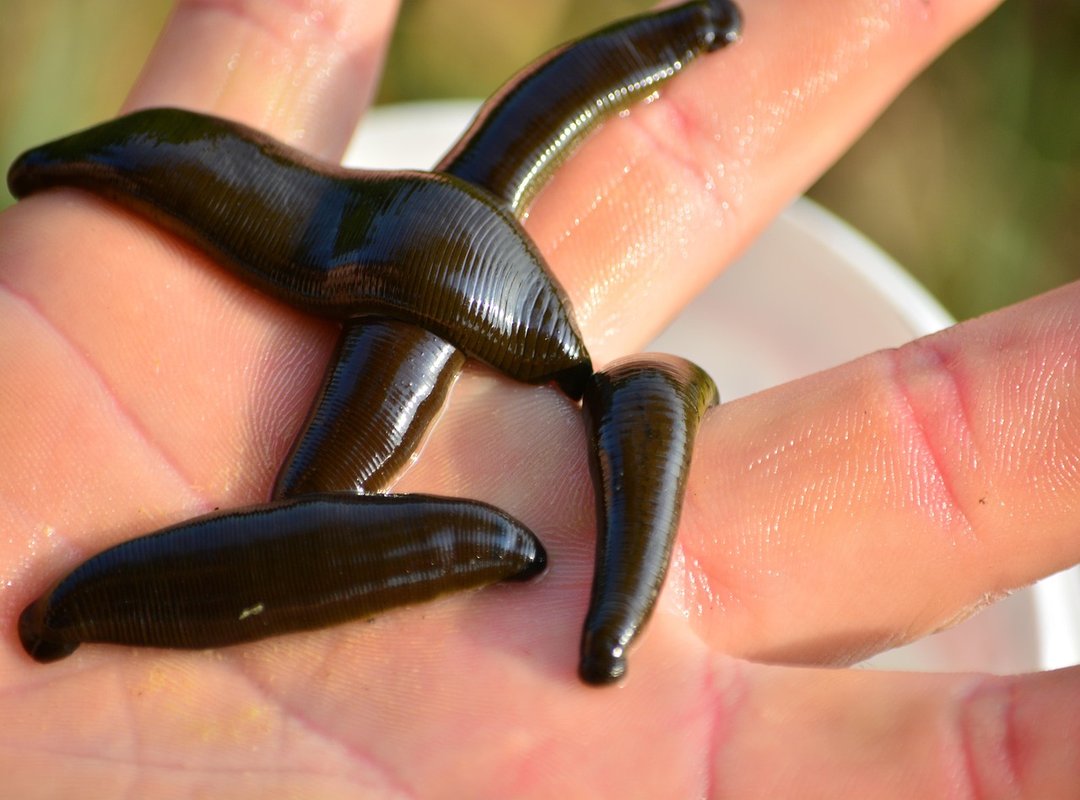
Finding a leech on your skin can be unsettling, but panicking won’t help. Trust me, I’ve been there. The key is to stay calm and follow these steps.
First, locate the leech’s head. It’s the smaller, narrower end. Use a fingernail or a flat-edged object like a credit card to slide under the oral sucker and break the seal.
This is the safest way to remove it without causing more harm.
Avoid common but incorrect methods like pulling, burning, or applying salt or alcohol. These can make the leech regurgitate into the wound, increasing the risk of infection. Believe me, you don’t want that.
Once the leech is detached, clean the wound with soap and water. Then, apply a bandage. Simple and effective.
The wound will likely bleed for a while. Don’t worry; this is normal. If possible, elevate the area to help slow the bleeding.
Remember, pacet gambar gigi pacat. It’s an old saying, but it fits here—stay steady and focused.
Understanding the Leech’s Remarkable Design
The three-jawed, multi-toothed structure of a leech is a marvel of natural engineering. This design allows it to attach firmly to its host. pacet gambar gigi pacat. The combination of anesthetic and anticoagulant in their saliva makes their bite highly effective.
By understanding the biology of a leech, we can see it as more than just a pest; it becomes a fascinating example of evolution at work.
 Auritha Wolfquill