The traditional housing market is a huge contributor to environmental issues. Did you know that buildings account for nearly 40% of global carbon emissions?
That’s a staggering number, and it should make you rethink how we build and live.
I’ve spent decades in real estate, witnessing trends come and go, but this eco-friendly homes trend is different. People want homes that are not just places to live but also environmentally responsible.
We need to address the damage caused by conventional housing. Not just for the planet, but for future generations.
In this article, I’ll dive deep into sustainable housing trends and their benefits. You’ll learn how these homes can lower your carbon footprint and save you money in the long run.
Trust me, understanding these developments can help you make informed decisions about your living space. Let’s explore this key movement together.
Eco-Friendly Homes: The New Definition
Sustainable housing isn’t just a buzzword. It’s a paradigm shift. When I talk about sustainable housing, I’m thinking about energy efficiency and resource conservation.
That’s the core. What’s changed? Eco-friendly homes are now part of the mainstream, not just for tree-huggers anymore.
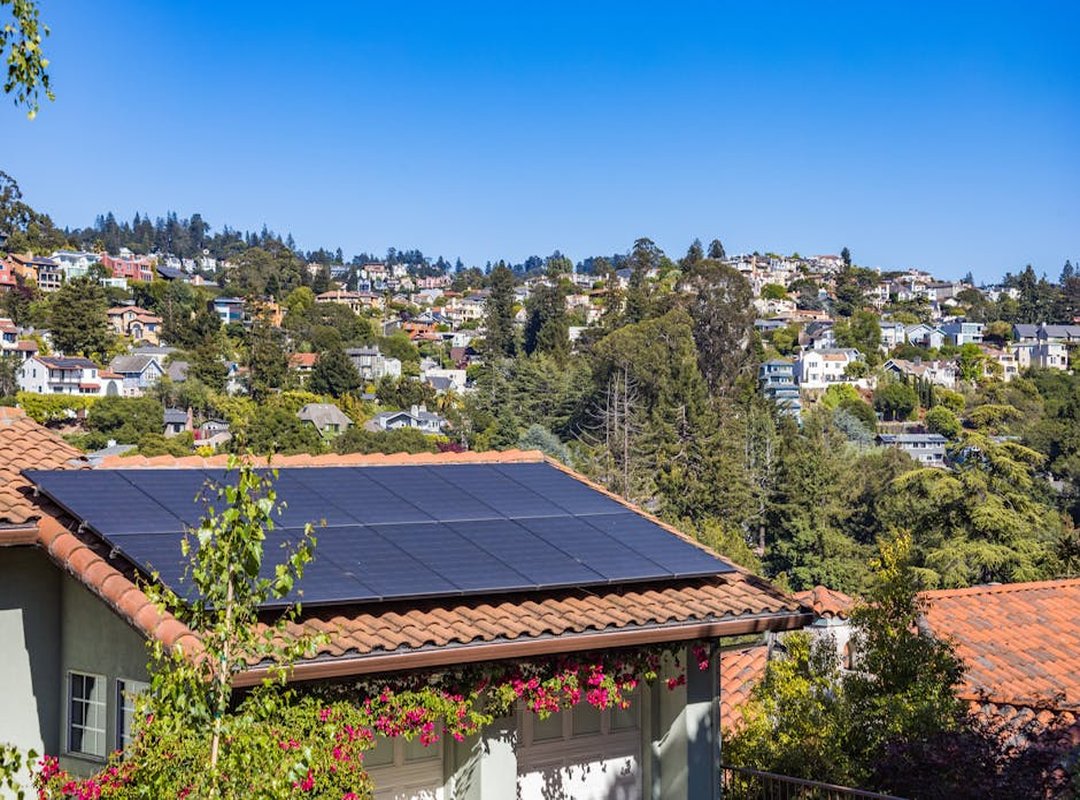
We’ve come a long way from the days when sustainable homes meant a few solar panels slapped on the roof.
Today, it’s about using smart materials and new designs. The eco-friendly homes trend is exploding. It includes everything from reclaimed wood to energy-fast appliances.
But why should you care? If you’re a homeowner or investor, understanding these components is key. It impacts property value and marketability.
Consider this: buildings account for nearly 40% of global CO2 emissions (crazy, right?). So, going green isn’t just ethical (it’s) financially smart. The evolution of sustainable housing practices shows that we’re learning to build better.
Not just for us, but for future generations. The big question is, how quickly can we adapt? Because the market is moving fast.
And missing this trend could cost you, quite literally.
In short, knowing the ins and outs of sustainable housing is no longer optional. It’s important.
Eco-Friendly Homes: The Ultimate Investment
Sustainable housing isn’t just a trend. It’s a revolution. I mean, who wouldn’t want to slash their carbon footprint and save money in the long run?
Imagine living in a house that breathes, adapts, and practically takes care of itself.
Let’s be real. Reducing waste isn’t just about feeling good. It saves money and resources. (And who doesn’t want more of both?) Eco-friendly homes cut down on energy use, which means lower utility bills.
Plus, they often use materials that last longer, reducing maintenance costs.
Isn’t increasing your property’s value a nice perk, too? Homes that focus on sustainability often see a boost in market value. They’re not just attractive to the eco-conscious crowd.
Investors are catching on. In fact, the luxury real estate growing market has taken notice. High-end buyers are paying top dollar for green features.
I’ve seen success stories of sustainable communities thriving economically and environmentally. From California to Vermont, these projects show us that eco-friendly isn’t a sacrifice. It’s an upgrade.
And with government incentives often available, it’s a wonder more folks aren’t jumping on this.
Here’s the kicker: These benefits align perfectly with what today’s homeowners and investors crave (savings) and security. We want value and peace of mind. So why not choose a home that gives back in more ways than one?
In short, the eco-friendly homes trend isn’t just about hugging trees. It’s about real, tangible benefits that savvy homeowners and investors should embrace. Take a look around.
The future is greener than ever.
Sustainable Housing Trends: The New Real Estate Frontier
There’s a shift happening in real estate, and it’s all about sustainability. Everyone’s talking about green certifications and smart home technologies. But here’s the kicker: are these eco-friendly features actually moving the needle in the market?
I think they are, and not just for the tree-huggers among us. People want homes that save money and the planet (why choose just one?). The eco-friendly homes trend is gaining traction because buyers are getting wise to long-term savings.
With utility prices soaring, who wouldn’t want a home that cuts costs while being kind to nature?
Government incentives are playing their part too. Tax breaks and rebates make sustainable housing more attractive (if you can get them). The policies pushing these changes show that governments are finally catching on.
It’s about time, right?
But here’s a thought: if everyone starts building the same way, how do you stand out? This is where smart urban planning comes in. Cities are rethinking layouts to incorporate green spaces and fast traffic flow.
It’s not just about the house anymore; it’s about the neighborhood.
The demand is there, no doubt, but who’s buying? Millennials who crave authenticity and Gen Z who were practically raised on climate change talks. They’re the backbone of this shift.
Looking ahead, I expect even more innovation. We might see market shifts where sustainable homes become the norm, not the exception. What do you think?
Are these trends here to stay or just a passing fad? Let’s see how the market evolves.
Eco-Friendly Homes: Tackling the Tough Stuff
Adopting sustainable housing isn’t always a walk in the park. One major hurdle? Cost. Building with eco-friendly materials can be pricey. But isn’t it worth it in the long run?
Financing options can ease the upfront pain, though. Mortgages geared towards energy-fast homes are popping up all over. And trust me, they’re lifesavers.
Another headache: the lack of clear information. Often, you’re left in the dark, wondering if you’re making the right choice. Here’s where educational resources come to the rescue.
Dive into online courses and webinars to get your facts straight. You’d be surprised how much clarity a bit of research can bring.
Finding the right materials is another challenge. Sometimes it feels like looking for a needle in a haystack. But new technologies are changing that.
With 3D printing and smart materials, the eco-friendly homes trend is more accessible.
Finding a reputable builder can be tricky, too. How do you know who’s legit? A good plan is checking reviews and asking around.
Remember, a well-informed choice beats a rushed one every time. Sustainable housing isn’t just a fad (it’s) a necessity. Why not jump on board?
Making Your Home Eco-Friendly: A Future Perspective
So, you’re thinking about making your home more sustainable. Good. This eco-friendly homes trend isn’t just some passing fad.
It’s the future. Start small: swap out those energy-hogging appliances for energy-fast ones. You’ll save money and the planet (two birds, right?).
Think about water conservation systems. They’re not just for tree huggers anymore. They’re practical.
Ready for bigger changes? Solar panels. Insulation upgrades.
These aren’t just buzzwords (they’re) investments. Sure, they require some upfront cash, but the long-term savings are real. You might even be tempted to check out the Emerging Urban Areas Watch to see how other regions are embracing these trends.
Evaluate the costs versus benefits. Don’t get lost in spreadsheets, but know your numbers. What’s the payoff?
Clean energy credits or reduced utility bills? Both if you’re lucky.
Wondering if it’s worth it? Look at it this way: sustainable homes often have a higher resale value. Plus, there’s a satisfaction in knowing you’re making a difference (without) hugging any actual trees.
Your home is your castle. Let’s make sure it lasts.
Step Into Sustainability
Understanding and adopting sustainable housing practices matters now more than ever. The benefits are clear: lower bills, healthier living environments, and a positive impact on the planet. You can be part of the eco-friendly homes trend by taking actionable steps today.
Start small. Look into energy-fast appliances or sustainable materials for your next project.
Feeling overwhelmed? Don’t be. Resources are available to help you get through this transition.
Engage with experts and continue learning about sustainable housing options.
Ready to make a change? Dive into sustainable living. Your future self will thank you.
 Auritha Wolfquill