
Real estate jargon can be a nightmare. You know what I mean. Those complicated terms that make you feel lost and overwhelmed.
Without understanding the basics, you risk making poor decisions when buying, selling, or investing. That can lead to serious financial and emotional stress.
I’ve spent years analyzing market dynamics and guiding clients. I’ve seen firsthand how confusion over terminology leads to missteps. This real estate jargon guide aims to cut through the clutter.
I want to make this world more accessible for you. My goal is to break down intimidating terms into simple, actionable takeaways. You’ll gain the confidence to get through the market like a pro.
You can trust this information because it’s rooted in real-world experience. I’m not just throwing around buzzwords. I’m here to help you make informed decisions that will benefit you in the long run.
Let’s demystify this together.
Real Estate Jargon: Must-Know Terms
to some important real estate terms you can’t afford to overlook. First, appraisal. You might wonder, what’s the big deal?
An appraisal determines a property’s market value. It’s conducted by a professional appraiser. Why?
Because lenders need assurance the property is worth the loan amount. And if you’re buying, you want to avoid overpaying, right?
Now, onto closing costs. These are the fees you pay when finalizing a real estate deal. Common examples include loan origination fees, title insurance, and recording fees.
Typically, buyers cover them, but sellers sometimes pitch in. It’s a financial surprise you don’t want, so always ask about it.
What about escrow? Imagine a neutral third party holding funds until conditions are met. It’s like a security blanket for transactions.
You’ll encounter it often, ensuring everyone plays fair.
Then there’s the MLS (Multiple Listing Service). This database is a goldmine for real estate professionals listing properties. Without it, market visibility would be a nightmare.
Curious about a day in the life of a realtor? This is where they spend much of their time.
Finally, let’s not confuse a deed with a title. A deed transfers ownership, while a title gives you the legal right to own. Simple, right?
But key for understanding your stake in a property.
Real Estate Jargon Guide: Navigating Transactions
You know what bugs me? Real estate jargon. But let’s cut through it.
When you make an offer, you’re basically putting your money where your mouth is, saying, “I want this house at this price.” Simple, right? But then comes the fun part: the counter-offer. It’s like a polite “no” with a twist, proposing a new price or terms.
Both sides volley back and forth until someone caves (or you both meet in the middle).
Now, let’s talk contingency. It’s a safety net for both buyers and sellers. Think inspections, financing, or appraisals.
If these conditions aren’t met, the deal might just fall through. And speaking of falling through, the earnest money deposit comes in. It’s your “good faith” payment showing you’re serious.
But if things collapse, you might lose it.
The home inspection is key. The inspection period is your chance to uncover hidden issues. If something’s amiss, you have use to negotiate repairs or even walk away.
Once you’re under contract, the property isn’t available to others, but don’t get too comfy. You still need to reach the closing date, the official handover day. It’s the moment when all papers are signed, and the property is finally yours.
See? Simple.
Real Estate Jargon Guide: Untangling the Terms
A mortgage is simply a loan for buying a home. It’s made up of the principal (the amount you borrow) and interest (what you pay for borrowing). But here’s where it gets tricky.
Ever confused between interest rate and APR? You’re not alone. APR is more than just interest.
It reflects total loan costs, including fees.
Then there’s amortization. It’s not as scary as it sounds. It’s just paying off debt over time with regular payments.
Early on, most of what you’re paying is interest. Over time, more of your payment goes to the principal.
Now, let’s talk Loan-to-Value (LTV) Ratio. It’s key for determining if you need private mortgage insurance (PMI). High LTV?
Might mean more PMI.
And don’t mix up pre-approval with pre-qualification. Sellers favor pre-approval. Shows you’re serious.
What about mortgage types? Fixed-Rate stays the same. Predictable but sometimes pricier. Adjustable-Rate (ARM)?
Starts low, but can change. Which is better? Depends on your plans.
Still have questions? Check out this detailed guide for more takeaways. Trust me, getting a grip on these terms can save you time and money.
Property Takeaways: Value, Ownership, and Legal Basics
Let’s cut through the real estate jargon guide and get to the meat of it. Ever wondered about “Assessed Value” versus “Market Value”? Assessed Value is for tax purposes.
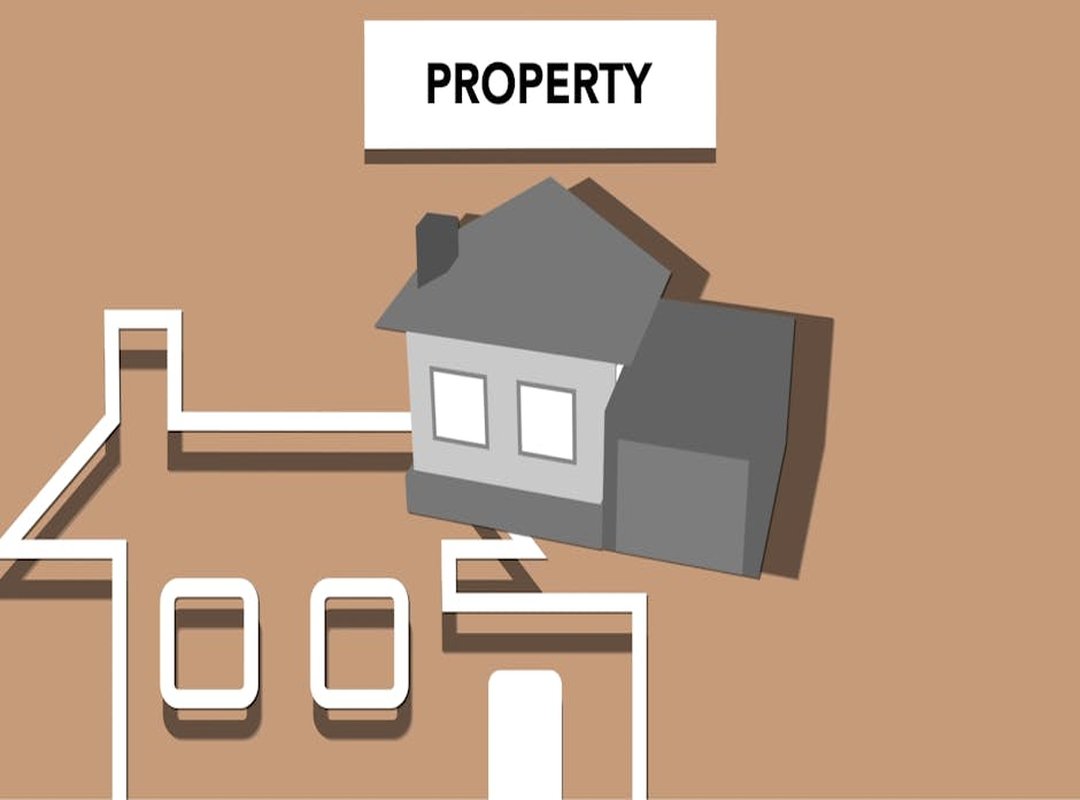
It’s what the local government thinks your property is worth. Market Value? That’s what someone would actually pay for it.
Big difference, right?
Now, “Equity” is the part of your property you truly own. Over time, as you pay down your mortgage, your equity grows. Feels good to own more of your home, doesn’t it?
A “Lien” is a legal claim against your property. Think tax liens or mechanic’s liens. They can be a real headache if not handled properly.
“Easements” let others use your land for specific purposes. Common examples include utility easements. Not exactly thrilling, but useful to know.
Then there’s “Zoning” laws. They dictate how you can use or develop your property. They’re a big deal in community planning.
Ever tried building a skyscraper in a neighborhood? Zoning laws would have a say.
Finally, the “HOA” manages common areas and enforces community rules. HOA fees are part of the deal. Got questions about understanding real estate contracts?
Dive in and learn.
Real Estate Jargon Demystified: Key Terms to Know
When it comes to real estate, understanding the jargon is like having the secret code. Without it, you’re in the dark. Cap Rate (Capitalization Rate) is a metric I always check first. It tells you how much a property could return on investment relative to its purchase price.
A higher cap rate often means potentially higher returns, but it could also mean greater risk. So, trade-offs are the game.
Then there’s ROI: Return on Investment. This one’s straightforward (a) percentage that shows profitability. Divide your net profit by your initial investment.
Simple math, right? But key when you’re deciding where your money goes.
Now, if you’re eyeing a tax-savvy move, the 1031 Exchange might catch your interest. It allows you to defer taxes on gains from property sales if you reinvest in a similar asset. Trust me, it’s a lifesaver for savvy investors.
On the flip side, REO properties can be both a goldmine and a minefield. These are owned by lenders post-foreclosure auctions. Opportunities?
Sure, but know the risks.
Foreclosure? It’s the endgame for unpaid mortgages. Then there’s a short sale.
Selling at a loss to dodge foreclosure. Why do it? Sometimes it’s the smartest escape route.
This real estate jargon guide will keep you sharp and informed.
Take Control of Your Real Estate Journey
You came here for clarity on real estate jargon and I delivered. That initial confusion? It’s gone.
Understanding these terms is key. It empowers you to make informed decisions and negotiate like a pro. Now that you’ve got this knowledge, use it.
Whether you’re buying, selling, or investing, apply what you’ve learned.
Keep pushing forward. Real estate is complex, so don’t stop here. Continue to educate yourself and seek professional advice when needed.
Take the next step. Dive deeper into the real estate jargon guide and boost your mastery. You’ve got this.
Let’s make your real estate journey a success.
 Jacek Gorsasz