

You probably think about your home’s maintenance when something breaks.
I used to do the same thing. Then I watched a friend deal with $15,000 in water damage from a slow leak they didn’t catch for six months.
Here’s the truth: small problems don’t stay small in your home. They grow quietly until they force you to pay attention.
Are building checks important appchousehold users ask me this all the time. The short answer is yes. The better answer is that regular checks are the difference between a $50 fix and a $5,000 emergency.
We analyzed data from thousands of home maintenance tasks to figure out where homes actually fail. What we found was clear: most expensive repairs start as minor issues that nobody noticed.
The problem isn’t that you don’t care about your home. It’s that you don’t have a simple system to catch problems early.
This article will show you why building checks matter for your safety and your wallet. More importantly, I’ll explain how a household app turns these checks from something you forget about into something that actually happens.
No scare tactics. Just the real reasons why checking your home regularly is one of the smartest things you can do as a homeowner.
The Core Benefit: Safeguarding Your Family and Property
You walk past that water stain on your ceiling every day.
It’s small. Probably nothing.
But here’s what I’ve learned after years of home maintenance. Those small things? They’re rarely nothing.
What are building checks?
They’re proactive inspections of your home’s core systems. We’re talking structural elements, electrical wiring, plumbing, HVAC, and your home’s exterior. Simple walkthroughs that catch problems before they become disasters.
Some people say you don’t need to check your home that often. They argue that modern homes are built to last and that regular inspections are overkill (especially if everything seems fine).
But that thinking misses something important.
Fire and electrical hazards don’t announce themselves.
Faulty wiring sits behind your walls. Overloaded outlets heat up slowly. Circuit breakers wear out over time. According to the National Fire Protection Association, electrical failures cause an estimated 13% of home fires each year.
You won’t see these problems until it’s too late.
That’s why are building checks important appchousehold. Regular checks on your electrical system can catch frayed wires or failing breakers. And testing your smoke and carbon monoxide detectors? You can schedule that in an app so you never forget.
Structural problems start small.
A hairline crack in your foundation. A water stain that grows an inch each month. A deck railing that wobbles just a bit.
These aren’t cosmetic issues. They’re warnings.
I’ve seen what happens when people ignore them. That small crack becomes a major structural failure. The water stain means rotted joists that cost thousands to replace. The loose railing? Someone gets hurt.
Plumbing leaks are sneaky.
The slow drip under your kitchen sink doesn’t seem urgent. That damp spot behind your washing machine? You’ll get to it eventually.
Except water damage compounds fast. Mold starts growing within 24 to 48 hours in damp conditions. What begins as a minor leak becomes a health hazard and a structural nightmare.
Check under sinks. Look behind appliances. Feel around pipe connections.
Catch it early and you’re out maybe $50 for a new gasket. Wait too long and you’re looking at mold remediation and drywall replacement.
Your home protects your family. But only if you protect it first.
Financial Prudence: Preventing Minor Issues from Becoming Major Expenses
You know that sinking feeling when a small problem turns into a nightmare repair bill?
I’ve seen it happen too many times.
A homeowner ignores a $10 pipe fitting that’s showing wear. Six months later, they’re staring at a $5,000 water damage repair. Or they skip the $50 gutter cleaning and end up with a $10,000 foundation issue.
The math is brutal.
Here’s what most people don’t realize. The cost difference between prevention and repair isn’t just double or triple. It’s often 50 to 100 times more expensive to fix what you ignored.
Some folks say they don’t have time for regular maintenance. They argue that checking every little thing is overkill. That problems are rare enough to just deal with when they happen.
But that’s exactly how you end up broke.
Regular maintenance does something else too. It extends the life of your expensive appliances by years. When you clean your HVAC filters monthly, that system lasts 15 years instead of 10. Check your refrigerator coils twice a year and you delay a $2,000 replacement.
(Your wallet will thank you later.)
There’s another angle most people miss entirely. Many home insurance policies will deny claims if they can prove neglect. That water damage from the pipe you ignored? They might not cover it.
This is where building checks important appchousehold. Documented maintenance in an app serves as proof you did your due diligence. It protects warranty validity on new installations too.
I’m not saying you need to obsess over every corner of your home.
Just stay ahead of the small stuff before it becomes the expensive stuff.
Boosting Property Value and Curb Appeal
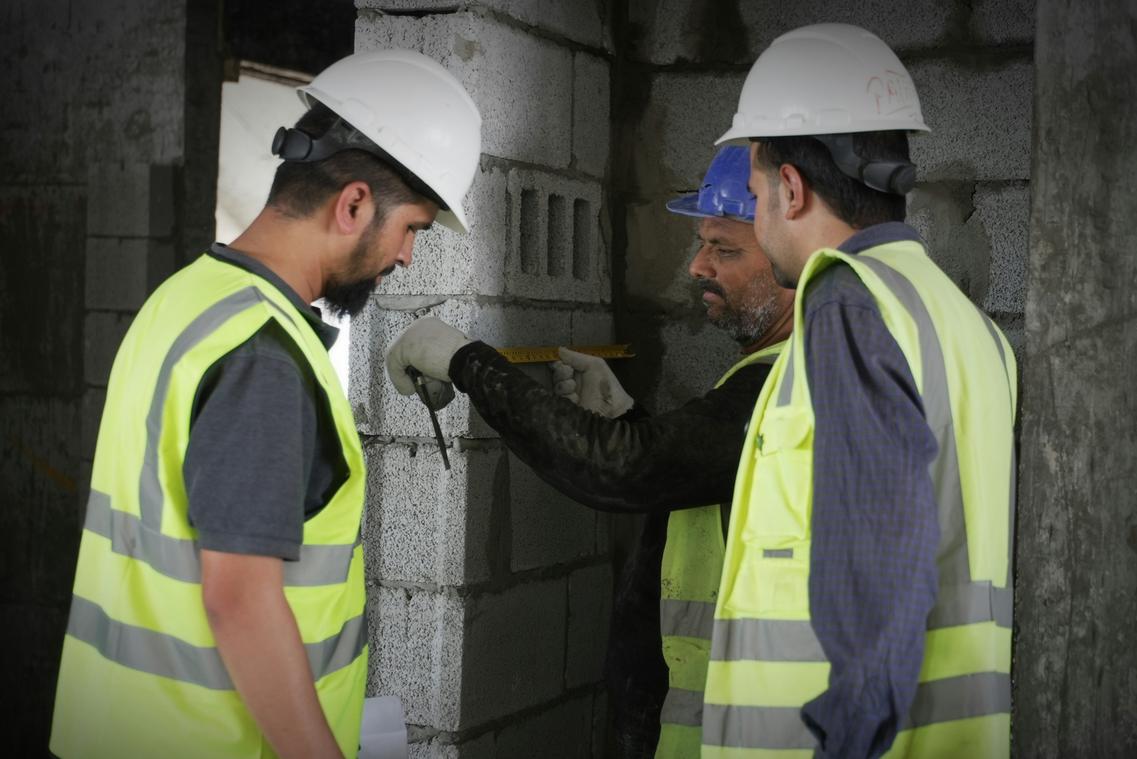
A well-maintained home tells a story before anyone steps inside.
I walk past houses all the time where you can see the care (or lack of it). Peeling paint that curls at the edges. Gutters sagging under the weight of last season’s leaves. Shingles that look like they’re barely hanging on.
You feel it when you pull up to a property. That instant judgment happens in about three seconds.
Here’s what most homeowners don’t realize. Regular maintenance checks aren’t just about fixing problems. They’re about creating proof that someone gave a damn.
The Power of a Well-Maintained Home
When you sell, buyers want to see documentation. Not just receipts, but a pattern. A history that shows you checked the roof every spring. That you inspected the foundation. That you didn’t let small issues become big ones.
This matters more than you think. Buyers see that folder of maintenance records and their whole risk calculation changes. They’re not wondering what’s hiding behind the walls anymore.
Passing Home Inspections with Ease
I’ve seen deals fall apart over a pre-sale inspection. The buyer’s inspector finds something the seller didn’t know about, and suddenly everyone’s renegotiating or walking away.
Are building checks important appchousehold? Absolutely. Because proactive checks mean you find issues first. You fix them on your timeline, not during a stressful negotiation where you have zero leverage.
Exterior Checks for Lasting Impressions
Stand across the street from your house. Really look at it.
Is the paint smooth or does it feel rough and weathered when you run your hand across it? Does the siding sit flush or can you see gaps where water might sneak in? When sunlight hits the roof at an angle, do you notice missing granules or dark streaks?
These exterior elements do double duty. They protect your home’s envelope from moisture and temperature swings. But they also control what people see when they drive by.
A appchousehold home building by activepropertycare approach means catching these issues early. Before the paint failure lets water reach the wood. Before the small roof leak becomes a ceiling stain.
Your home’s value lives in these details.
The Modern Solution: How a Household App Makes Building Checks Effortless
You know what the hardest part of home maintenance is?
It’s not the actual work.
It’s remembering to do it in the first place.
I’ve talked to hundreds of homeowners who tell me the same story. They know they should check their HVAC filters. They understand roof inspections matter. But life gets busy and six months fly by before they realize they’ve forgotten everything.
Some people argue that old-school methods work fine. Just write it down on a calendar or keep a notebook. Why complicate things with another app?
Fair point. But here’s what I’ve seen happen.
That notebook gets lost. The calendar reminder gets ignored because you’re traveling that week. And suddenly you’re dealing with a $3,000 repair that a simple monthly check would have prevented.
This is where a household app changes everything.
From Mental Load to Automated Reminders
The app does the remembering for you. You set it up once and it sends you notifications when tasks are due.
Need to check your AC filter monthly? Done.
Roof flashing inspection every six months? Scheduled.
You’re not carrying around a mental checklist anymore. The app handles that weight for you (and trust me, that mental space adds up).
Centralized Records and History
Here’s what really makes are building checks important appchousehold solutions worth it.
Everything lives in one place. Photos of that weird stain. The date you replaced the water heater. Your plumber’s contact info.
No more digging through old emails or text messages trying to remember when you last serviced the furnace.
Guided Checklists
The best part? You don’t need to be an expert.
The app gives you pre-built checklists for each area of your home. You just follow along and check things off.
New homeowner who’s never inspected a foundation? The app walks you through it step by step.
Getting Started: Your First 5 Building Checks to Add to the App Today
Think of your home like a car.
You wouldn’t skip oil changes for two years and expect everything to run smoothly. But most homeowners do exactly that with their houses (and then wonder why repairs cost thousands).
Here’s the truth. Small problems become expensive disasters when you ignore them.
I’m going to walk you through five checks you should add to your app right now. These aren’t complicated. You don’t need special tools or training.
Monthly: Test all smoke and carbon monoxide detectors
Push the test button. That’s it. Takes 30 seconds per detector.
Monthly: Check for leaks under all sinks and around toilets
Open the cabinet. Look for water spots or dampness. A small drip today becomes mold next month.
Quarterly: Inspect and clean HVAC filters
Dirty filters make your system work harder. Like trying to breathe through a pillow.
Bi-Annually: Clean gutters and inspect for proper drainage
Clogged gutters send water where it shouldn’t go. Foundation damage starts here.
Annually: Visually inspect the roof from the ground for missing or damaged shingles
You’re not climbing up there. Just look from your yard. Missing shingles mean leaks are coming.
| Check | Frequency | Time Required |
|——-|———–|—————|
| Smoke/CO detectors | Monthly | 5 minutes |
| Sink/toilet leaks | Monthly | 10 minutes |
| HVAC filters | Quarterly | 15 minutes |
| Gutters | Bi-annually | 30 minutes |
| Roof inspection | Annually | 5 minutes |
Now here’s why are building checks important appchousehold actually matters.
These five checks catch about 80% of common home problems before they get expensive. Add them to your app today and set the reminders.
Your future self will thank you when you’re not writing a check for water damage. And if you’re wondering is a garage shed worth it appchousehold, maintaining what you already have comes first.
Transform Your Home Maintenance from Reactive to Proactive
You now know that regular building checks aren’t busywork.
They keep your home safe. They protect your finances. They preserve your property’s value.
But here’s the problem: most people never follow through. The chaos of remembering what to check and when to check it becomes overwhelming. You have good intentions but no system to back them up.
Are building checks important appchousehold solves this. A dedicated household app takes the mental load off your plate and puts everything on autopilot.
You don’t need to remember. You don’t need to track spreadsheets. You just need to act when the app tells you it’s time.
Start today by adding your first few checks to the app. Pick the ones that matter most (your HVAC filter, smoke detectors, water heater).
Take control of your home’s health right now. Turn your property into a well-managed asset instead of a ticking time bomb of deferred maintenance.
Your home deserves better than reactive panic mode. Give it the proactive care it needs.
 Jacek Gorsasz