
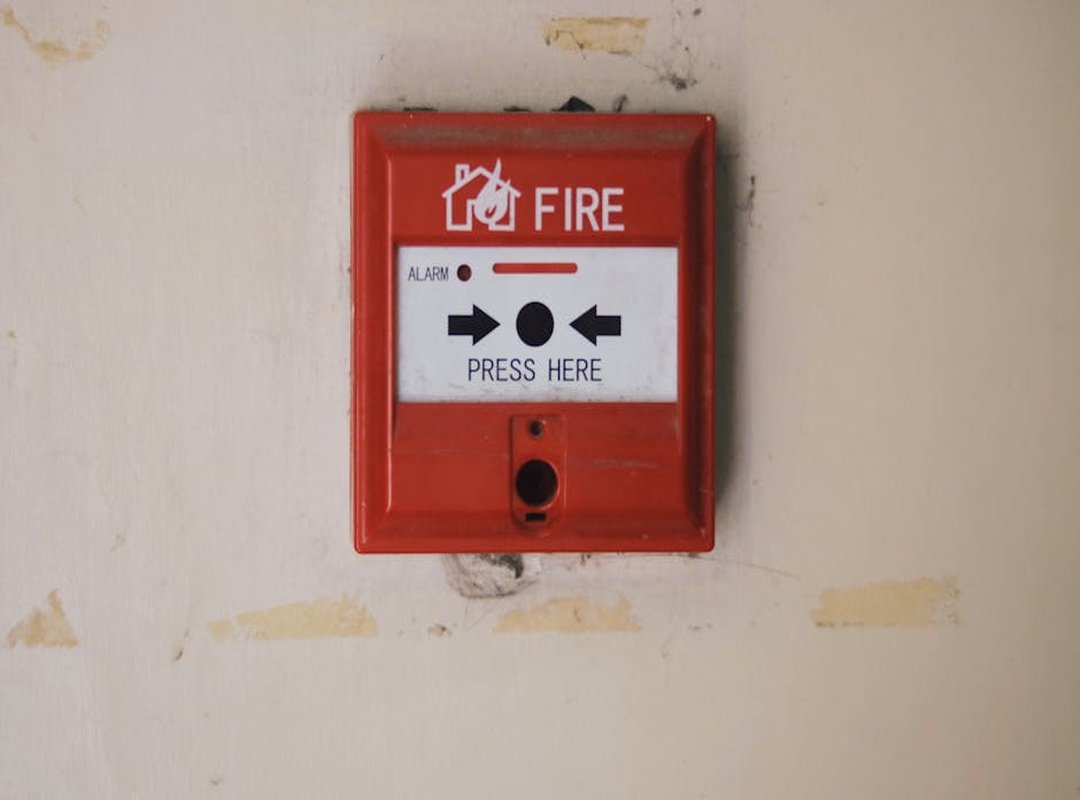
Fire kills. Not slowly. Not politely.
Fast and loud and stupid.
I’ve seen homes burn because someone picked the wrong alarm (or) worse, trusted the one that came with the house.
You’re here because you’re asking Which Fire Detection System Should I Buy Appcproperty. Not just “which one,” but which one actually works (for) your layout, your wiring, your kids, your dog, your weird old furnace that clicks at 3 a.m.
Most people don’t know the difference between ionization and photoelectric. Or why placement matters more than brand. Or that some alarms ignore smoke until it’s too late.
That confusion isn’t harmless. It’s dangerous.
You want safety (not) paperwork. Peace of mind. Not panic when the battery chirps at midnight.
This isn’t a specs dump. No jargon. No sales talk.
Just what I’ve learned installing, testing, and replacing these things for real homes.
You’ll walk away knowing exactly which type fits your space (and) where to put it so it saves lives instead of just making noise.
No fluff. No theory. Just clear choices.
Smoke Alarms vs. Heat Detectors: Know the Difference
I’ve replaced three smoke alarms that chirped at 3 a.m. because they got dusty. (Not fun.)
Smoke alarms catch smoke particles. That’s it. They go off when tiny bits of burned stuff float into them.
Heat detectors wait for temperature spikes (or) just plain high heat. No smoke needed.
Which Fire Detection System Should I Buy Appcproperty? Start by asking: Where’s the fire most likely to start (and) where will false alarms drive you nuts?
Ionization alarms react faster to flaming fires. Like a grease fire in the pan. Photoelectric ones catch smoldering fires earlier (like) a cigarette in a couch.
So I put photoelectric in bedrooms and hallways. Ionization near the kitchen (but) not in it. (That’s where heat detectors belong.)
Kitchens, garages, attics? Heat detectors live there. They ignore steam and dust but scream if the garage hits 135°F in 60 seconds.
I installed one in my attic after the water heater hiccuped. It stayed silent while the smoke alarm in the hallway screamed over burnt toast.
Appcproperty helps you pick the right type. Not just the loudest one.
You don’t want alerts. You want answers.
Wired, Wireless, or Smart: Which Fire Detection System Should I
Wired alarms plug into your home’s electrical system. They never need battery swaps and talk to each other instantly. (Unless the wiring is old garbage.)
Wireless alarms run on batteries and stick to the ceiling with screws or adhesive. You install them yourself in under ten minutes. But you’ll replace batteries every year.
Or forget and get that chirp at 3 a.m.
Smart alarms connect to Wi-Fi. They text you when smoke is detected. Some even shout warnings through your smart speaker.
Interconnectivity matters more than tech flavor. If one alarm senses fire, all alarms must scream. Wired systems do this by default.
(They also double as CO detectors (if) you pay extra.)
Many wireless and smart models do it too (but) only if they’re from the same brand and model line. Check before you buy.
You live in an older house with plaster walls? Wireless saves you from drilling into lath. You hate apps and notifications?
Skip smart. You want zero maintenance and don’t mind an electrician? Go wired.
None of these work if they’re not installed correctly. Or if you disable them because they false-alarm near the toaster.
So ask yourself: How much tech do I actually want? How much time do I want to spend maintaining it? And how badly do I want every alarm in my house to yell at once?
What Actually Matters in a Fire Detector
I ignore fancy apps and blinking lights.
You should too.
Battery life matters most. Get one with a 10-year sealed battery. No swapping every year.
No forgetting. No dead alarm at 3 a.m.
Test and hush buttons? Non-negotiable. You will set it off while cooking.
Hush saves your sanity.
Voice alerts beat beeps.
“Smoke in the kitchen” tells you more than “BEEP BEEP BEEP.”
You hear it once and know what’s wrong.
Combination units (smoke + CO) are smarter. CO is silent and deadly. One device cuts clutter and cost.
And yes. It works.
UL listed isn’t optional. It means real testing, not just marketing. If it’s not UL listed, walk away.
Place alarms everywhere:
– Every floor
– Outside each bedroom
Not in corners. Not near windows. Not where airflow hides smoke.
Remote monitoring? Nice if you rent or travel often. Professional monitoring?
Overkill for most homeowners. But if you want it, make sure it’s simple. No contracts, no hidden fees.
Which Fire Detection System Should I Buy Appcproperty? Start here. Not with shiny features, but with placement, power, and proof. How to Boost Your Homes Curb Appeal Appcproperty
Smoke alarms don’t boost curb appeal.
But knowing yours won’t fail? That’s peace you can’t paint over.
Budgeting for Safety Isn’t About Cheap Alarms

I bought a $12 smoke alarm once. It chirped at 3 a.m. for three days straight. Then it died during a cooking fire.
(Yes, that happened.)
Basic units run $10. $25. Smart systems? $40. $120 each. Add $75 ($150) if you pay someone to wire them in.
Batteries cost $3. $5 a year per unit. Hardwired ones still need backup batteries. And yes (you) will forget to change them.
Which Fire Detection System Should I Buy Appcproperty? I’d pick interconnected alarms with sealed 10-year batteries. Not the cheapest.
Not the flashiest. Just reliable.
If you’ve got more than two floors or five rooms? Get a multi-pack. You’ll save $15 ($30) and actually install them all.
Skip the $8 Amazon special. Safety isn’t where you bargain hunt.
Professional installation feels safe (until) you realize most battery-only units take 90 seconds to mount.
You want alerts that wake you up. Not ones that make you mute the app.
Buy the one that works when you’re asleep. Not the one that looks good in the box.
Install It Right or It’s Useless
I install alarms myself. I follow the manual. I put them high on ceilings, away from corners and vents.
(Hot air rises (but) drafts confuse sensors.)
You need a pro for wired systems. Or if your smart home speaks five languages and your alarm only mumbles.
Test alarms monthly. I do it the first Sunday. I hold the test button until it screams.
If it doesn’t? Change the battery (or) toss the unit.
10-year sealed batteries exist. I trust them. But I still check once a year.
Smoke alarms die after 10 years. No debate. No exceptions.
They just stop working slowly.
A fire system only works if it’s installed right. And kept alive.
Which Fire Detection System Should I Buy Appcproperty? Start there. Then read How to Deal with Household Water Problems Appcproperty.
Because leaks kill detectors faster than time.
Your Home Isn’t Waiting. Neither Should You.
I picked a fire alarm once. It chirped at 3 a.m. for low batteries. I ignored it.
That’s how fast “someday” becomes “right now.”
You already know smoke kills. You already know seconds matter. So why are you still scrolling instead of acting?
We covered types. Connectivity. Features.
Budget. Maintenance. None of it matters if you don’t pick your system.
Not the fanciest one, not the cheapest one, but the one that fits your home and your family.
You want peace of mind. Not paperwork. Not panic later.
Start here: Which Fire Detection System Should I Buy Appcproperty
Type it. Click it. Compare three models today.
Don’t wait for a test alarm to remind you what’s at stake. Do it now.
 Auritha Wolfquill