
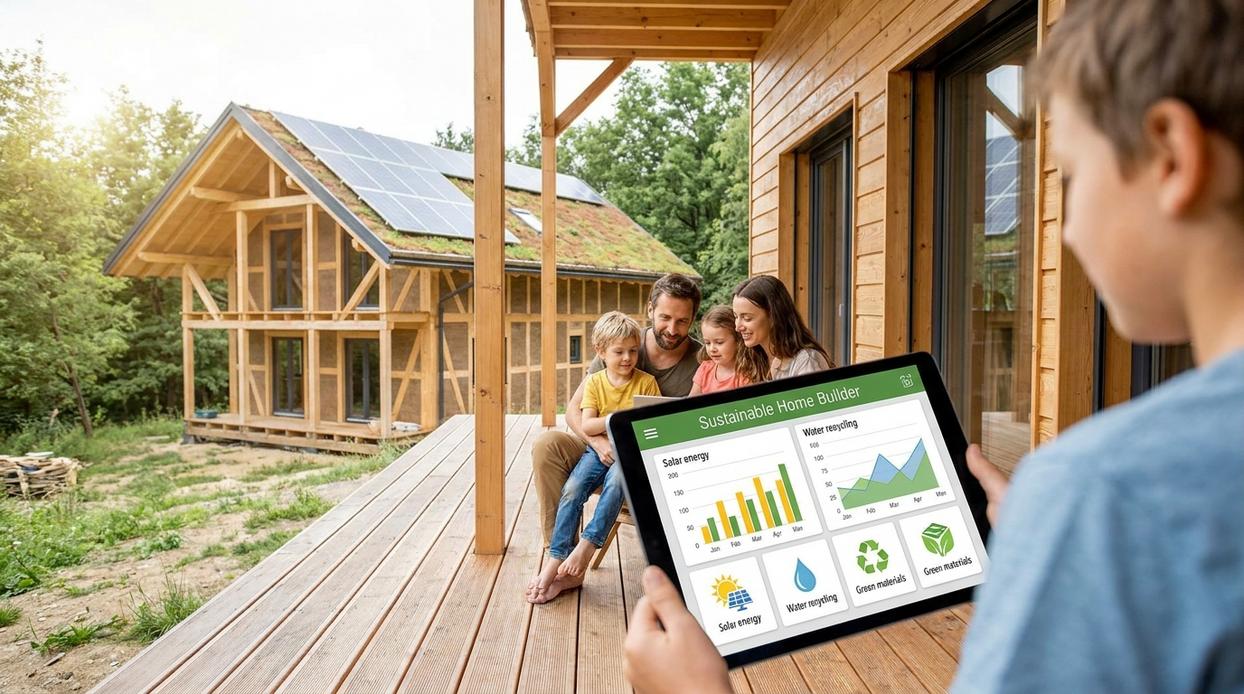
I’ve seen too many homeowners give up on building green because they think it’s too complicated or expensive.
You want a sustainable home. But every article you read throws technical terms at you or pushes solutions that cost twice your budget. It’s frustrating.
Here’s the truth: sustainable home building appchousehold doesn’t have to be overwhelming. You don’t need a PhD in environmental science or an unlimited bank account.
I’ve spent years working with homeowners who started exactly where you are. They wanted to do the right thing for the planet without breaking the bank or getting lost in the weeds.
This guide cuts through the noise. I’ll show you what actually works for real homes and real budgets.
We focus on practical steps you can take today. Not theory. Not complex calculations. Just clear choices that make a difference.
You’ll learn the core principles that matter, how to pick materials that work, and which digital tools can help you plan smarter.
Whether you’re building new or renovating, you’ll walk away with a roadmap you can actually use.
What ‘Sustainable Construction’ Really Means for Your Household
You’ve heard the term thrown around a thousand times.
Sustainable construction. Green building. Eco-friendly homes.
But what does it actually mean when you’re standing in your living room wondering if you should replace those drafty windows?
I’ll be honest. I used to think sustainable building was just about slapping some solar panels on the roof and calling it a day. That mistake cost me about $8,000 in my first renovation project.
Turns out, sustainable home building appchousehold is a system. Not a checklist.
Let me break down what actually matters.
Energy Efficiency Comes First
Your home is probably bleeding energy right now. Mine was.
I focused on fancy bamboo floors while ignoring the fact that my attic had insulation from 1987. Smart design and high-performance materials cut your energy appetite BEFORE you even think about renewable sources.
Quality windows matter more than you think. So does proper insulation (which I learned the hard way when my heating bills stayed high despite all my “green” upgrades).
Materials That Don’t Make You Sick
Here’s what nobody told me. That new carpet smell? Those fresh paint fumes? They’re not just unpleasant. They’re affecting your indoor air quality every single day.
Non-toxic materials aren’t just better for the planet. They’re better for you. Reclaimed wood, low-VOC paints, natural fiber insulation. These choices add up to a home that doesn’t feel like a chemistry experiment.
Water and Waste Actually Matter
I generated THREE dumpsters of waste on my first project. Three.
Now I plan for building checks appchousehold before I start tearing things apart. Rainwater systems and proper deconstruction planning cut both waste and water bills.
The real lesson? Sustainable construction isn’t one big decision. It’s dozens of small ones that work together.
Your Digital Toolkit: Top Applications for a Smarter, Greener Build
You don’t need an engineering degree to build green anymore.
I’m serious. The apps available today put the kind of analysis that used to cost thousands of dollars right in your pocket.
Some contractors will tell you to just trust their experience and skip the tech. They say apps overcomplicate things and slow down the build. And sure, I’ve seen people get paralyzed by too much data.
But here’s what that argument misses.
Without these tools, you’re basically guessing. You pick materials based on what looks good or what your neighbor used. You hope your energy bills won’t be terrible.
That’s not a plan. That’s a gamble.
Material Sourcing & Waste Calculation Apps
Let me show you what I mean with real numbers.
The average construction project wastes about 30% of its materials (according to the EPA). That’s not just bad for the planet. That’s YOUR money in the dumpster.
Apps like BuildDirect and Materialtree connect you with local suppliers of reclaimed wood and recycled materials. I used one on my last project and found barn wood for half the price of new lumber.
The waste calculation tools are even better. Punch in your dimensions and they tell you EXACTLY how many boards you need. No more “better buy extra just in case” that turns into a garage full of expensive scrap.
Energy Modeling Simulators
Here’s where things get interesting.
Tools like BEopt and EnergyPlus let you test different scenarios before you spend a dime. Want to know if triple-pane windows are worth the extra $3,000? Run the numbers.
I tested this myself. Modeled my build with standard insulation versus spray foam. The app showed me I’d save $840 per year on heating and cooling with spray foam. Payback period? Four years.
That’s not a guess. That’s math.
The appchousehold space keeps adding new features too. Some simulators now factor in your local climate data automatically. You get results specific to your zip code.
Green Certification Checklists
Most people think LEED certification is only for commercial buildings.
Wrong.
Apps like Houzz Pro and CoConstruct now include LEED for Homes checklists built right in. Same goes for Passive House standards. You can track every requirement as you go instead of scrambling at the end.
A study from McGraw Hill found that projects using digital checklists had 25% fewer compliance issues during inspection. That means fewer delays and change orders eating into your budget.
The best part? Your contractor can access the same checklist. Everyone stays aligned on what “sustainable home building appchousehold” actually means for your specific project.
No arguments about whether something meets the standard. Just check the box and move on.
Practical Application: High-Impact Sustainable Choices for Your Project

Let me be blunt about something.
Most sustainable building advice you’ll find online is either too vague to be useful or so technical that you need an engineering degree to understand it.
I’m going to give you the stuff that actually matters.
If You’re Building New
Site & Orientation
This is the decision that costs you nothing but pays dividends for decades.
Face your main living spaces south (or north if you’re in the southern hemisphere). It sounds simple because it is. You’ll capture natural heat in winter and can shade it out in summer with proper overhangs.
I’ve walked through homes where builders ignored this completely. The owners are paying for their mistake every single month.
The Building Envelope
Here’s where I have strong opinions.
Structural Insulated Panels and Insulated Concrete Forms blow traditional stick-framing out of the water. Yes, they cost more upfront. But the energy performance isn’t even close.
I’ve seen ICF homes maintain temperature with half the HVAC capacity of stick-built houses next door. That’s not marketing talk. That’s real-world performance.
Traditional builders will tell you stick-framing is fine if you add enough insulation. Sure. But you’re still dealing with thermal bridging and air leakage that SIPs and ICFs eliminate by design.
Renewable Energy Systems
Solar panels and geothermal make sense when you plan for them from day one.
Don’t bolt them on as an afterthought. Design your roof pitch and orientation for panels. Run the ground loops for geothermal before you landscape.
The sustainable home building appchousehold approach means thinking about these systems before you pour the foundation.
If You’re Renovating
The Insulation Upgrade
Nothing else comes close to the return you get from adding insulation.
Start with your attic. Then your walls if you can access them. The math is straightforward and the payback period is usually under five years.
Windows & Doors
High-performance windows aren’t cheap. But if your current ones are more than 20 years old, you’re basically heating the outdoors.
Look for low U-factors and high R-values. Triple-pane if your budget allows.
Sustainable Finishes
This is where function meets aesthetics.
I’m partial to bamboo flooring because it’s harder than most hardwoods and grows back in three years instead of thirty. Cork works great in spaces where you stand a lot because it’s forgiving on your joints.
Reclaimed wood adds character that new lumber can’t match. And low-VOC paints? They’re not just better for air quality. They actually perform better than the old stuff.
Your family shouldn’t have to breathe chemicals just because you painted a room.
For more guidance on building with appchousehold home building by activepropertycare, these choices form the foundation of a home that performs well and lasts.
Living Sustainably: Maintaining Your Eco-Friendly Home
Your sustainable home is built. The contractors packed up weeks ago.
Now what?
Here’s what most people don’t realize. The greenest home in the world won’t stay that way if you don’t maintain it properly.
I’m not talking about major renovations or expensive upgrades. I mean the daily habits and simple systems that keep your home running efficiently.
Start with what you can measure. Smart home monitors show you exactly how much electricity and water you’re using right now. Not last month. Right now.
That matters because you can’t fix what you can’t see. When you notice your water usage spike on Tuesday afternoons, you can figure out why (probably that leaky irrigation timer).
Then there’s your yard. Most people think sustainable home building appchousehold stops at the front door. It doesn’t.
Native plants are your best friend. They need less water because they evolved here. Drought-resistant varieties can cut your outdoor water use by half or more.
Rain gardens do double duty. They look good and they catch stormwater before it runs off your property. Same goes for permeable pavers. Water soaks through instead of flooding your neighbor’s yard.
The real benefit? You’re supporting local wildlife while cutting maintenance time.
Your eco-friendly home isn’t a one-time achievement. It’s something you live with and adjust as you go.
Your Blueprint for a Sustainable Home
You now understand how to apply sustainable construction principles and digital tools to your own home.
I know the complexity of green building feels overwhelming. It stops a lot of people before they even start.
But here’s what works: Break the process down into key pillars. Focus on efficiency, materials, and smart planning. When you add technology to the mix, creating a sustainable home building appchousehold becomes more accessible than you think.
You don’t need to overhaul everything at once.
Start with one area of your next project. Maybe it’s insulation. Maybe it’s windows or material sourcing.
Use this guide to make a tangible difference. Pick that one thing and do it right.
The impact adds up faster than you expect. Small decisions compound into real change.
Your next step is simple: evaluate one element of your project today and apply what you’ve learned here.
 Jacek Gorsasz