
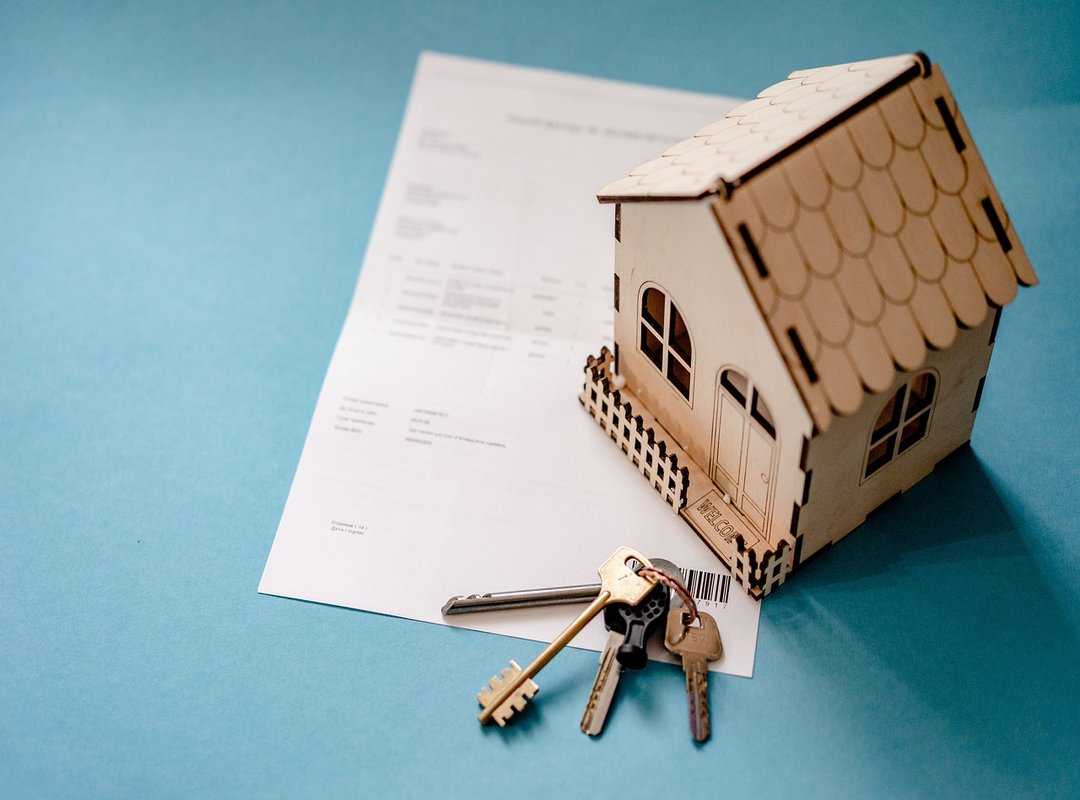
Property ownership can feel overwhelming. You might be anxious about shared assets or transactions with no clear rules. Trust me, unclear or non-existent property agreements can lead to costly disputes, financial losses, and strained relationships.
It’s like turning your dream investment into a nightmare.
I’ve seen it all. After observing countless real estate transactions, I can tell you that well-crafted agreements make all the difference. This article will demystify real estate contracts, breaking down complex legal concepts into clear and actionable takeaways.
You don’t need to be a lawyer to understand these essentials. I’ll move beyond the dry legal jargon and give you practical strategies to protect your interests.
Imagine feeling confident in your property dealings. You’ll gain peace of mind knowing you have the right tools and information at your fingertips.
Let’s get through the essentials of property agreements together. By the end, I promise you’ll walk away with knowledge that empowers you in your real estate journey.
Property Agreements: What They Are and Why They Matter
Let’s cut to the chase: a “property agreement” is a legally binding document outlining the rights, responsibilities, and terms related to real estate ownership, use, or transfer. Why does this matter? Because these agreements are the backbone of smooth real estate transactions.
Without them, you’re playing with fire. Think about a simple handshake deal with your neighbor about sharing a driveway compared to having a formal, written easement agreement. What’s more secure?
Obviously, the written contract. Verbal understandings might work for lunch dates but not for real estate.
These contracts are governed by state law (so they can’t be casually tossed aside) and are key in preventing disputes. More importantly, they give you the legal standing you need if things go south.
Sure, you might think you and your neighbor trust each other now, but what if new people move in? A written agreement ensures that all parties are on the same page today and forever. And if you’re diving into the world of property deals, knowing what makes great real estate agent is important too.
So, real estate contracts aren’t just paperwork. They’re your best friend in property dealings. Need I say more?
Navigating Property Contracts: What You Need to Know
Let’s talk about real estate contracts. They’re the backbone of every deal. First up, the Purchase and Sale Agreement (PSA).
This is your roadmap. It spells out the terms, conditions, and contingencies for buying or selling property. Miss a detail here, and you’re asking for trouble.
Then there’s the Lease Agreement. Whether we’re talking residential or commercial, you’ll want to know the differences. Residential leases focus on rent and maintenance, while commercial ones dive into specific landlord-tenant obligations.
Don’t mix these up.
Now, Co-Ownership Agreements are for when you’re buying with others (like) friends or family. You need to define contributions and responsibilities. Trust me, it’s key for avoiding future clashes.
How about Easement Agreements? These grant rights to use another’s property (think driveway or utility lines). They’re important for clarity.
You don’t want disputes over who can do what on your land.
Finally, a quick nod to Boundary Line Agreements and Property Management Agreements. The former helps resolve property line disputes, while the latter lets landlords outsource management tasks. You’ve got to know what you’re getting into (every) single time.
Mastering Property Agreements: What You Must Include
Ever read a contract and felt like you were deciphering an alien language? It’s key that all parties involved are identified (full) legal names, addresses, the whole nine yards. You can’t just play “guess who” later.
Trust me, you’ll want to avoid that mess.
Now, the precise property description is non-negotiable. A full street address and legal description keep things clear. Otherwise, it’s like mailing a letter with no address.
Next, your terms and conditions should scream “clarity.” Rights, obligations, end dates (get) it all in writing.
And don’t overlook financial considerations. Payments, deposits, taxes… you wouldn’t want those surprises down the line.
When disagreements pop up (they always do), dispute resolution mechanisms like mediation save time and sanity. Default clauses? They set the stage if someone drops the ball.
Remedies or penalties, you name it.
Finally, those legal formalities: signatures, dates, and maybe a notarized witness. It’s not just paperwork; it’s enforceability.
For more takeaways on this topic, you might check out real estate contracts.
Think of it as setting clear ground rules for your property dealings. Without them, it’s chaos.
Mastering Property Agreements: A Practical Guide
Creating or reviewing real estate contracts isn’t as glamorous as TV makes it seem. It’s a grind, but with purpose. First, you need clear objectives.
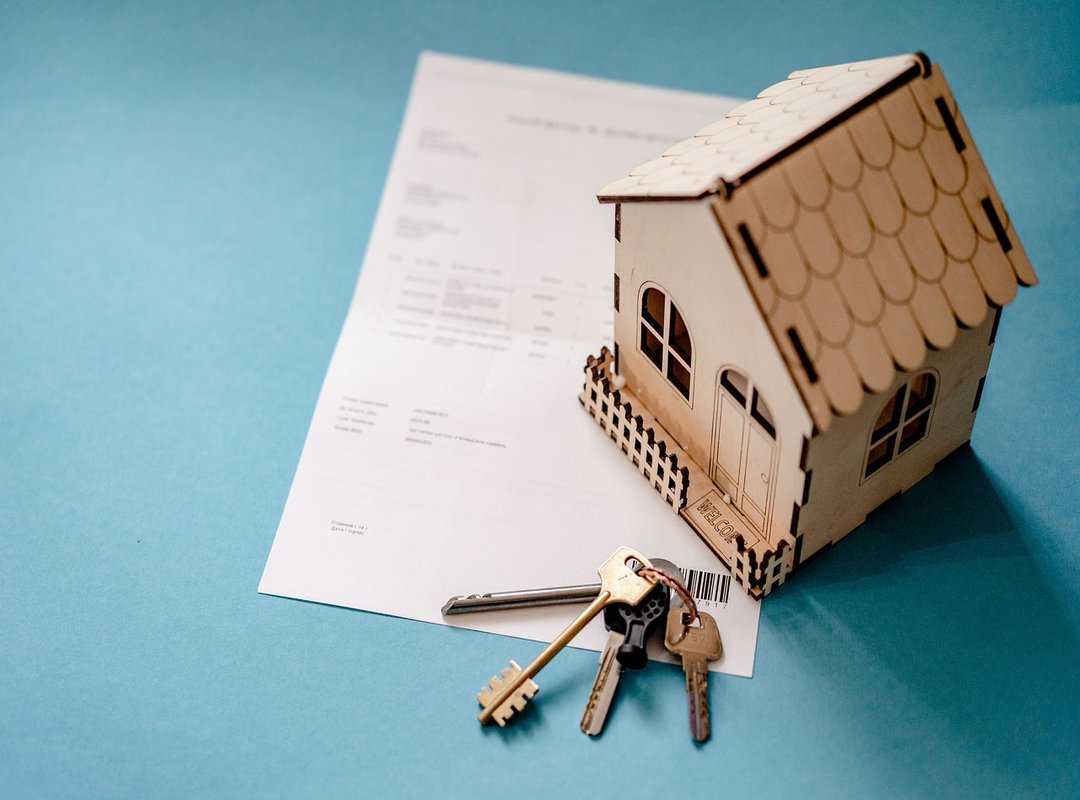
What do you want from this agreement? Nail down the details. Property specifics, party info.
Sounds basic, but missing these will bite you later.
Drafting is where things get messy. Templates are tempting, right? But they are just a starting point.
Custom advice is key. Legal counsel isn’t just for courtroom dramas. It’s an investment.
Even simple agreements can trip you up without an attorney’s eye.
Read every clause. Twice. Assumptions are your enemy.
If something’s unclear, ask. Don’t be shy.
Negotiation is where you’ll need to flex those discussion muscles. Propose changes. Compromise.
This isn’t a zero-sum game; it’s about finding terms that work for everyone.
And hey, don’t forget local laws. Especially here in Orlando, where understanding zoning laws restrictions can save you from a world of hurt. Compliance isn’t optional.
Thinking this is overkill? It’s not. These steps protect you.
They make sure your agreement does what it’s supposed to do. So grab a coffee (or something stronger) and dive in.
Real Estate Contracts: Avoiding Common Pitfalls
Ever seen a real estate contract with language so vague it makes you wonder what you’re signing? Me too. It’s like trying to decipher a teenager’s text messages.
Confusing and full of potential misinterpretations. To dodge disputes, use clear, simple language. Don’t leave room for guessing games.
Then there’s the classic mistake of leaving out key clauses. Forgetting stuff like exit strategies or maintenance duties is like baking without sugar. You’ll regret it.
Every contract needs those essentials to prevent headaches later.
And can we talk about legal jargon? It’s the worst. I’ll never sign anything without understanding every term.
Seriously, ask questions until you get it.
Verbal agreements? Don’t even go there. They’re as reliable as that one friend who’s always “five minutes away.” Get it in writing, always.
Ignoring local laws? A rookie move. Laws vary between states and cities.
Stay informed or face unwanted surprises.
Lastly, update your agreements when things change. New co-owner? Property changes?
Review and revise.
These aren’t just mistakes. They’re opportunities to strengthen your contracts. Don’t just avoid pitfalls; use them to your advantage.
Confidence in Your Property Agreements
You’ve learned about the importance of understanding real estate contracts. Ignoring these agreements can lead to stress, financial loss, and damaged relationships.
Taking the time to draft and review these documents protects your investments and gives you peace of mind.
Now it’s time to take action. Review any current agreements you have and seek professional legal advice for significant property matters. Don’t leave your most valuable assets to chance.
Help yourself with clear, concise property agreements.
You deserve to secure your property future with confidence. So start today and protect your investments.