Interest rate changes cause confusion and anxiety for many. I get it. You hear the news and wonder how it affects your wallet, your home, or your future investments.
The complexity of these effects can leave you feeling unprepared to make informed financial decisions.
I’ve spent years analyzing market dynamics and real estate trends, so I know the ins and outs.
This article will break down the interest rates impact across personal finance, real estate, and the broader economy.
You’ll find clear explanations that cut through the noise. I want to help you to get through these economic shifts with confidence.
By the end, you’ll understand how interest rates affect your financial space. You’ll have actionable takeaways to help you make smarter decisions.
Let’s demystify this together so you can approach interest rates with clarity and purpose. Trust me, it’s worth your time.
Interest Rates: The Basics and Beyond
Interest rates are the cost of borrowing money and the return on lending it. Simple, right? Yet, they’re the heartbeat of our financial system.
Central banks, like the Federal Reserve, set benchmark rates that ripple through the economy. These rates influence everything from your mortgage to the economy’s overall health.
Why do they adjust rates? Mainly to control inflation, gauge economic growth (think GDP), and assess employment levels. It’s like juggling knives (one) wrong move, and everything falls apart.
Ever heard of nominal versus real interest rates? Nominal is just the surface. Real rates account for inflation, giving you a clearer picture of purchasing power.
Picture this: you lend a friend $100. They pay you back $105. If inflation was 3%, your real gain is just 2%.
It’s a dance with numbers, isn’t it?
Knowing the role demographics real estate plays can also affect these rates, especially in market dynamics. So, how does the “interest rates impact” your wallet? In every way possible.
From loans to investments, understanding rates can save or cost you a fortune. In today’s economy, staying informed is not just wise. It’s important.
Think about it next time you swipe that credit card.
Borrowing Shakedown: Mortgages, Loans & Credit
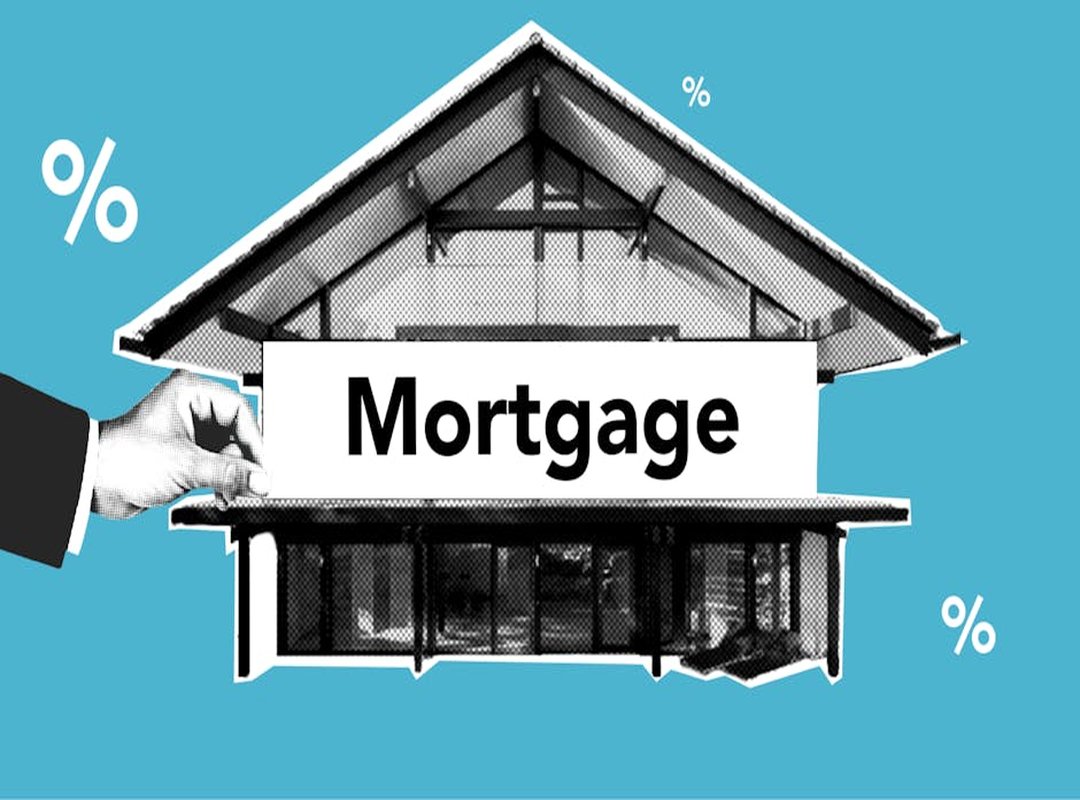
Let’s cut to the chase. When benchmark interest rates change, mortgage rates move too. It’s like a ripple effect.
Fixed-rate mortgages might seem like a safe bet, but you’re stuck with the same rate no matter what. Meanwhile, adjustable-rate mortgages (ARMs) can be a gamble. They fluctuate and might catch you off guard with higher payments.
Ever thought about how this affects your monthly budget? It matters a lot for new home buyers, and even more for those considering refinancing.
Refinancing can be smart if rates drop, but don’t jump in blindly. Auto loans and personal loans get hit by these changes too. Student loans?
They’re not immune. And let’s not overlook credit cards. Their annual percentage rates (APRs) usually ride along with the prime rate, which moves when central banks adjust rates.
So, watch out.
Here’s a pro tip: Think about locking in rates if they’re low. Or consolidate high-interest debt before rates skyrocket. Timing matters.
The interest rates impact is undeniable. It’s like a domino effect across all forms of credit. Stay informed and plan smartly.
Credit isn’t just numbers; it’s your financial future.
Real Estate: Interest Rates Impact
Interest rates impact the real estate market like nothing else. When rates rise, housing affordability takes a nosedive, especially for first-time buyers. You know, those folks already juggling student loans and avocado toast expenses?
They’re hit hardest. Higher mortgage rates mean less purchasing power. Suddenly, that dream home needs to shrink, or worse, fade away entirely.
Why does this happen? Simple. Higher rates mean bigger monthly payments.
Buyers pause. Demand cools. Sellers watch frustrated as their asking prices feel overly optimistic.
Appreciation rates slow. In some areas, you might even see prices dip. Don’t say I didn’t warn you.
Investors feel the burn too. Higher borrowing costs mess with cap rates and rental yields. They have to rethink strategies.
Maybe they flip less, rent more, or just sit tight. Timing purchases and exploring different loans can help buyers. Sellers?
They might need to adjust expectations.
Commercial real estate isn’t immune either. Financing and development projects face tighter budgets. It’s a ripple effect, touching every corner of the market.
Are you prepared for it? If not, you’d better start planning and adjusting your strategies. The market’s sensitivity to interest rates is a game-changer.
Interest Rates: A Double-Edged Sword for Your Money
Higher interest rates are a boon for savers. You get more bang for your buck in traditional savings accounts, CDs, and money market funds. It’s straightforward enough: banks pay you more to hold onto your cash.
But (and this is key), interest rates impact investments differently.
Ever notice how bond prices tank when rates climb? It’s because new bonds offer juicier yields. If you’ve got older bonds, they’re suddenly less attractive.
Makes sense, right? You’d rather grab that higher yield.
Now, what about the stock market? Rising rates mean higher borrowing costs for companies. This cuts into profits, making riskier stocks less appealing.
Why sink money into volatile stocks when safer, fixed-income options are offering better returns?
Investors face tough decisions. Should you shift your portfolio away from equities? It’s not black and white, but keeping a balance between risk and return is wise.
Plus, there’s “opportunity cost” (higher) rates may lure you away from risky assets to safer havens.
Timing is everything. Want to understand more? This real estate market cycles explained page could offer insight on how these cycles affect broader investments.
So stay informed. Who knows, it might just be the edge you need.
Economic Roller Coaster: Inflation, Growth, and Recession
Central banks often pull a sneaky trick called “tightening” monetary policy. They adjust interest rates to manage inflation. Sounds simple, right?
When inflation gets wild, raising rates is like saying, “Hey, slow down!” It increases borrowing costs, cooling down spending.
But here’s the kicker: higher rates can stall economic growth. Does anyone want to borrow when it’s pricey? Businesses think twice about expanding or hiring due to steep capital costs.
We risk recession territory with high rates.
Conversely, when the economy needs a jolt, lowering rates gets everyone excited. It encourages borrowing and spending. Suddenly, people are buying houses, cars, and those fancy coffees.
Low rates stimulate economic activity and fight against deflationary pressures. But, it’s a delicate balance.
Understanding the interest rates impact on the broader economy helps us see its role in shaping consumer confidence and spending. It’s a cycle. Rates go up, we slow down.
Rates go down, we speed up. This dance influences everything from housing markets to retail sales.
For businesses, interest rates can either open doors to new opportunities or slam them shut. So, next time you hear about a rate change, remember: it’s not just numbers on a page. It’s a tug-of-war that affects us all.
Seize Your Financial Future
Understanding the interest rates impact is key. You need to know how rates affect your borrowing, savings, and investments. This knowledge isn’t just useful; it’s important for making smart financial moves.
Market shifts happen all the time. Are you prepared to adjust your plan?
Take control of your financial future today. Apply these takeaways to your personal planning and real estate decisions. Stay informed and proactive.
Your financial success is in your hands. Don’t wait. Dive in and start applying what you’ve learned.
You deserve to get through your financial future with confidence.
 Jacek Gorsasz